Mandates, on the record — place by place.
Browse the engagements behind the numbers. Filter by how we worked, then open any case for the full account of the decision, the question, and the documented outcome.
Selected use cases · 92 engagements · 28 countries · since 2021
92 engagements · 28 countries · since 2021
Evaluate
9Score and rank options against policy and public preference.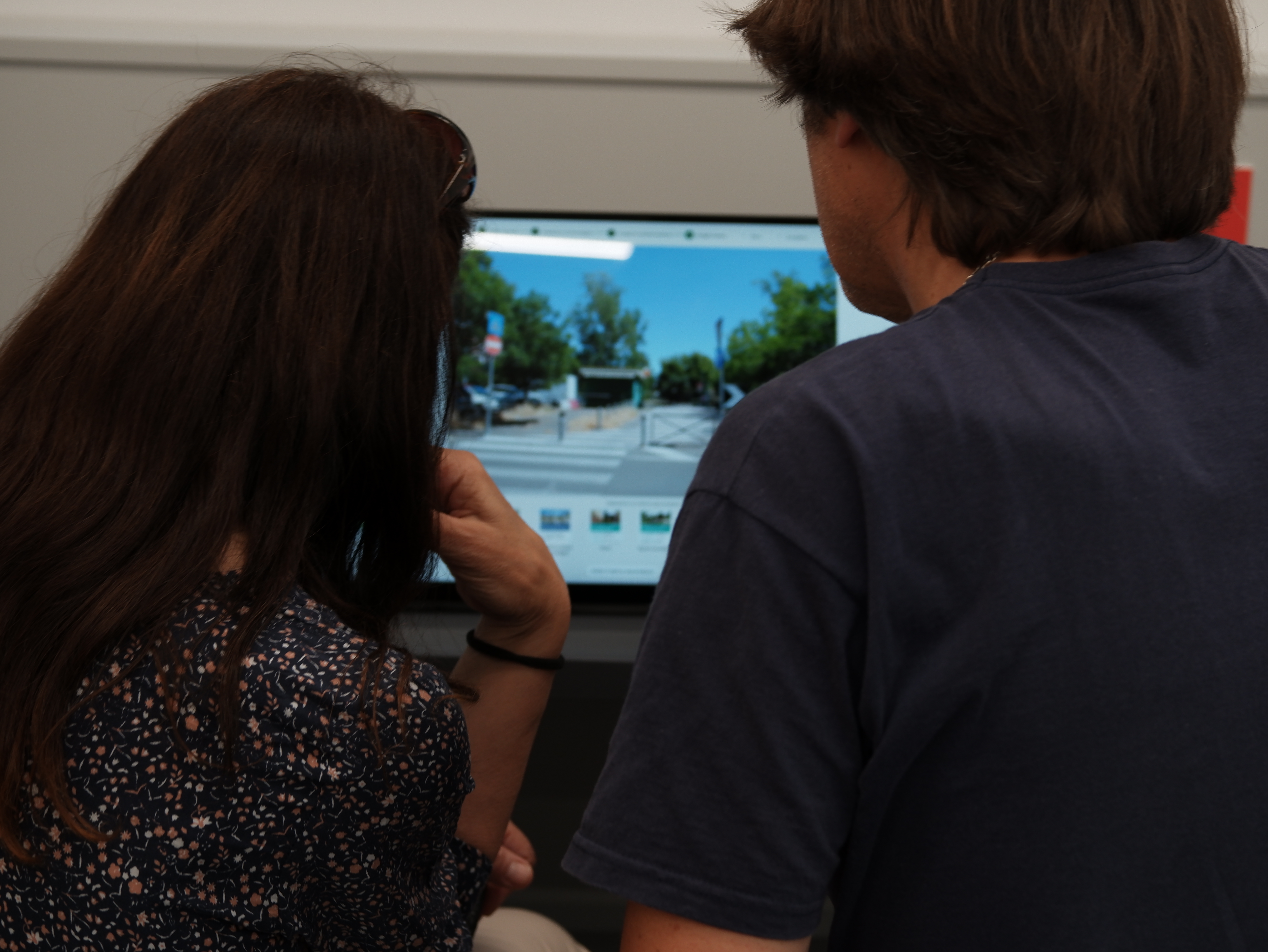 Evaluate
Policy-scored green scenarios, ranked by residents.
 Evaluate
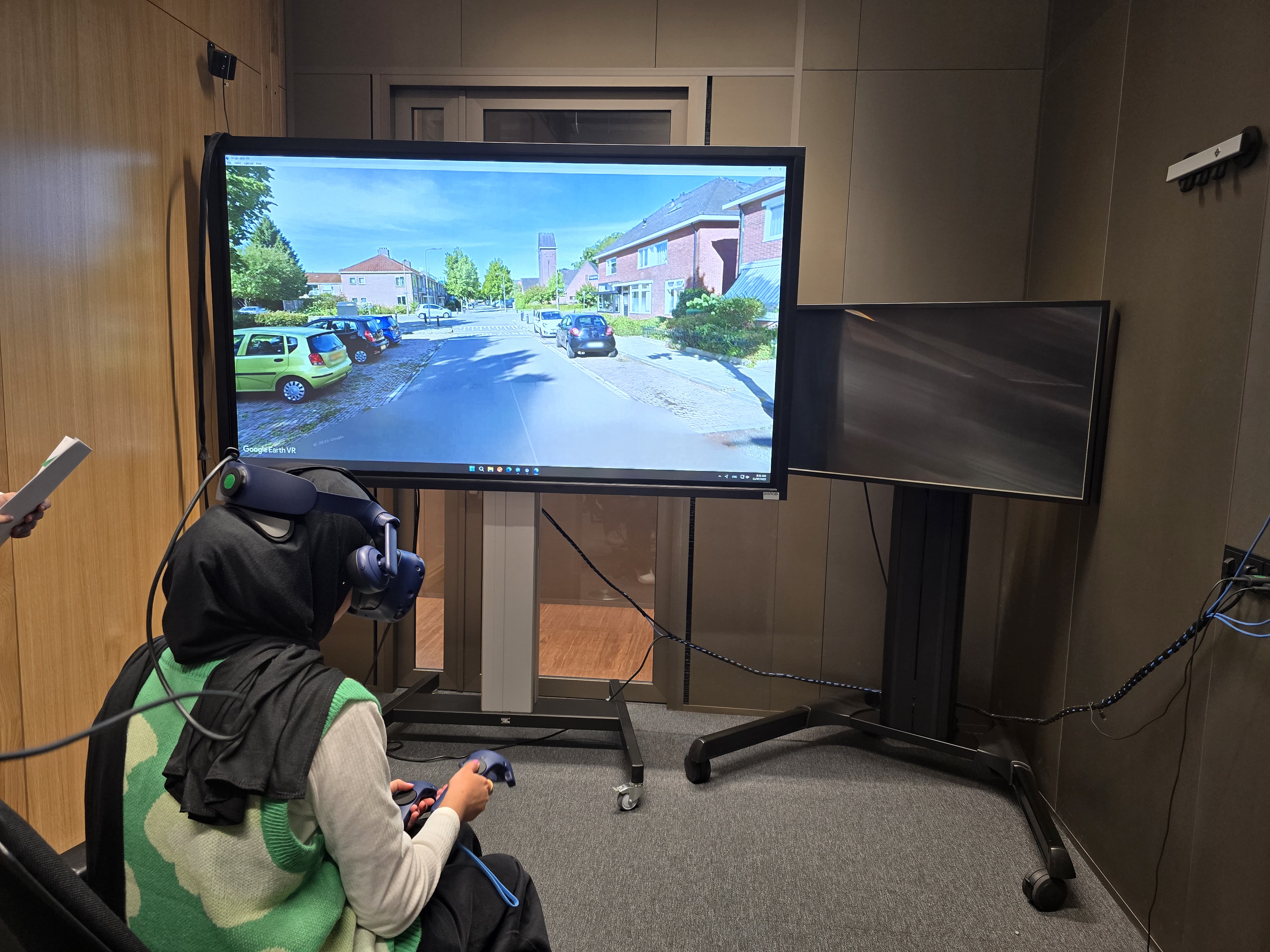
Training plus a six-month platform trial let UNDP’s Mayors for Economic Growth network run AI scenario work itself, applied to real Moldovan sites in July 2024.
 Evaluate
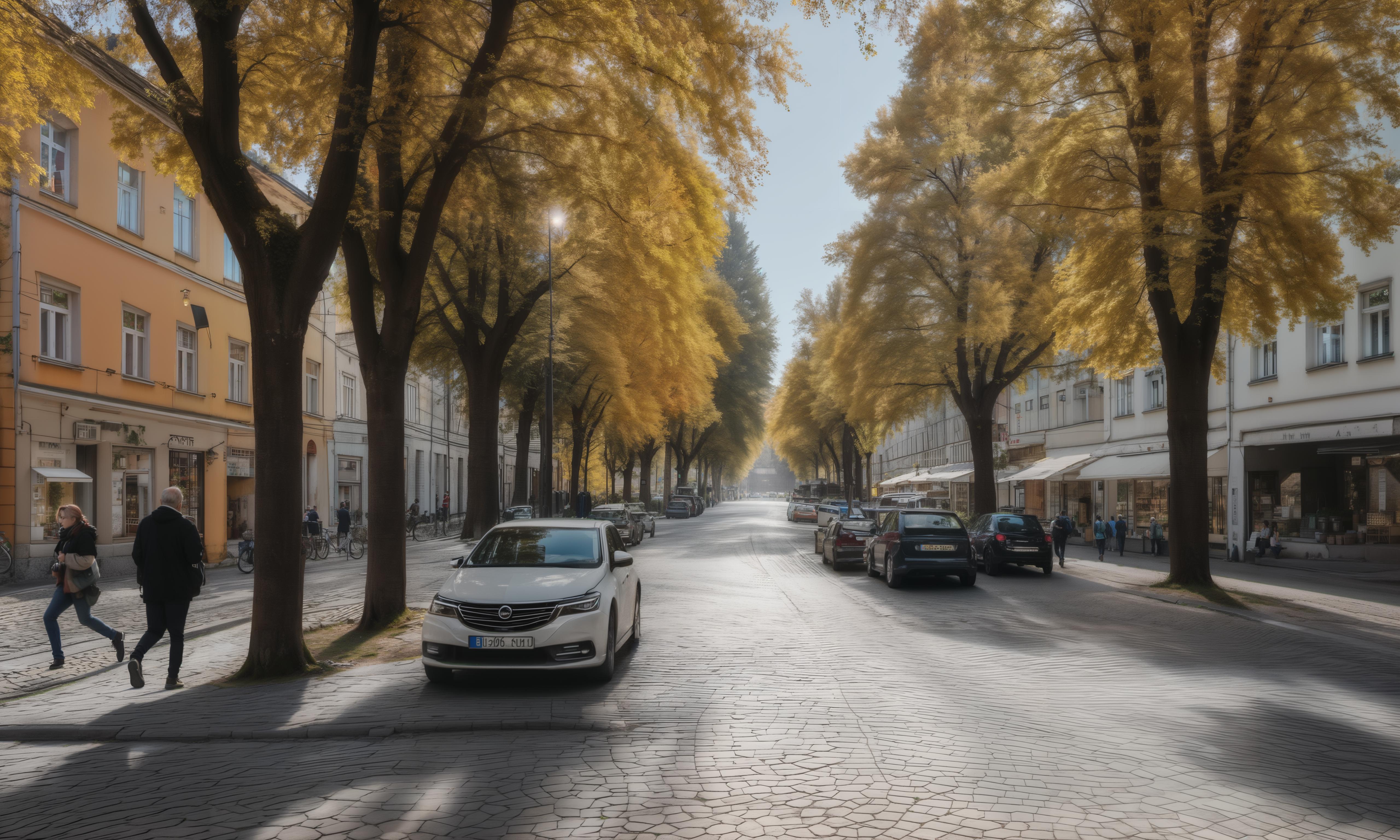
Rain-ready streets, co-designed with the neighbourhood.
 Evaluate
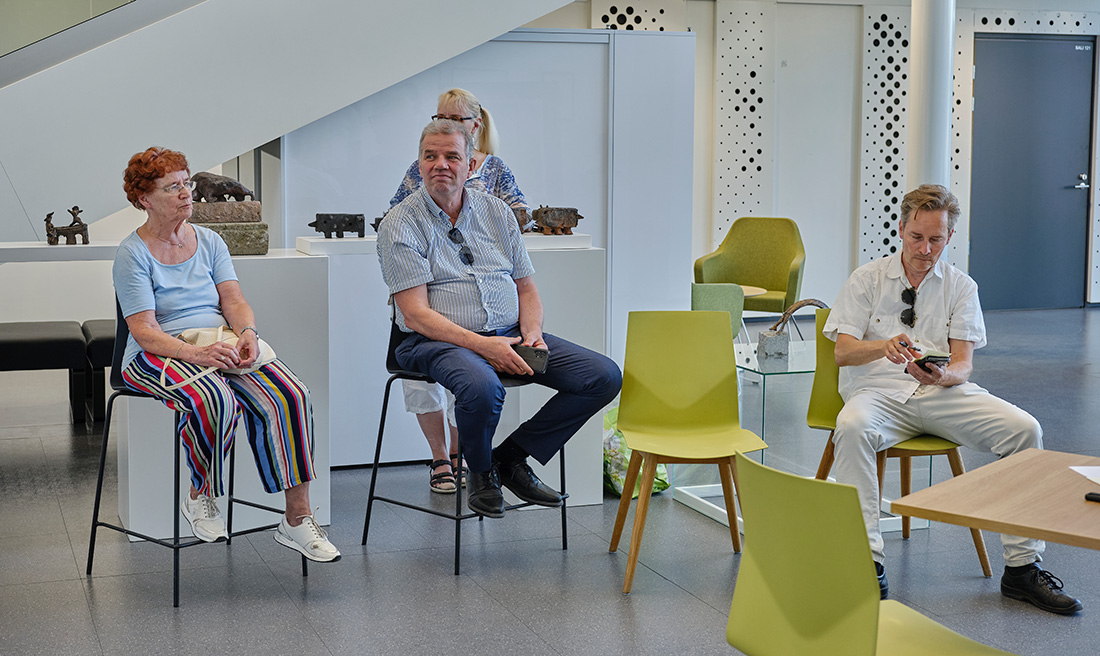
What residents value in a growing town centre.
Around 25 governors of Oman’s regions redesigned selected public spaces with AI tools at the Royal Academy of Management, in a Humankind-led capacity-building workshop.
 Evaluate
Rolling public preferences, documented over a show.
UrbanistAI joined the National Innovation Centre for Ageing’s City of Longevity initiative as a named partner, co-developing participatory methods for engaging older adults in age-friendly urban design.
A professional training bootcamp equipping staff of Helsinki’s innovation company to run participatory-AI workshops themselves.
 Evaluate
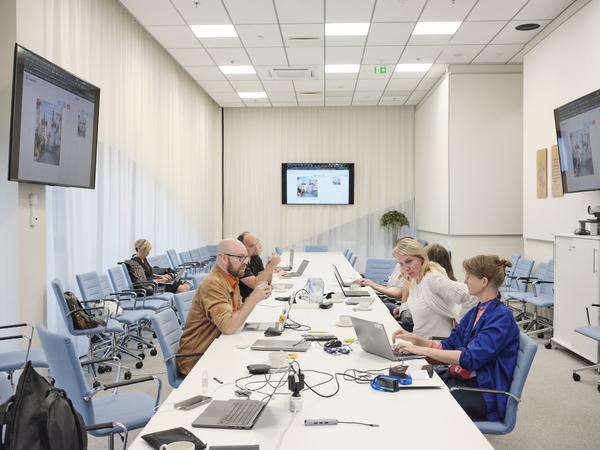
At CoPlan AI, we partnered with the Estonian Ministry of Climate to humanize digital twin technology. By integrating generative AI into virtual city models, we co-developed a functional prototype that allows planners and citizens to collaborate in real time, turning highly technical data into an accessible, democratic canvas for urban development and climate policy. Context
Learn
6Surface what a community values, before the options are drawn.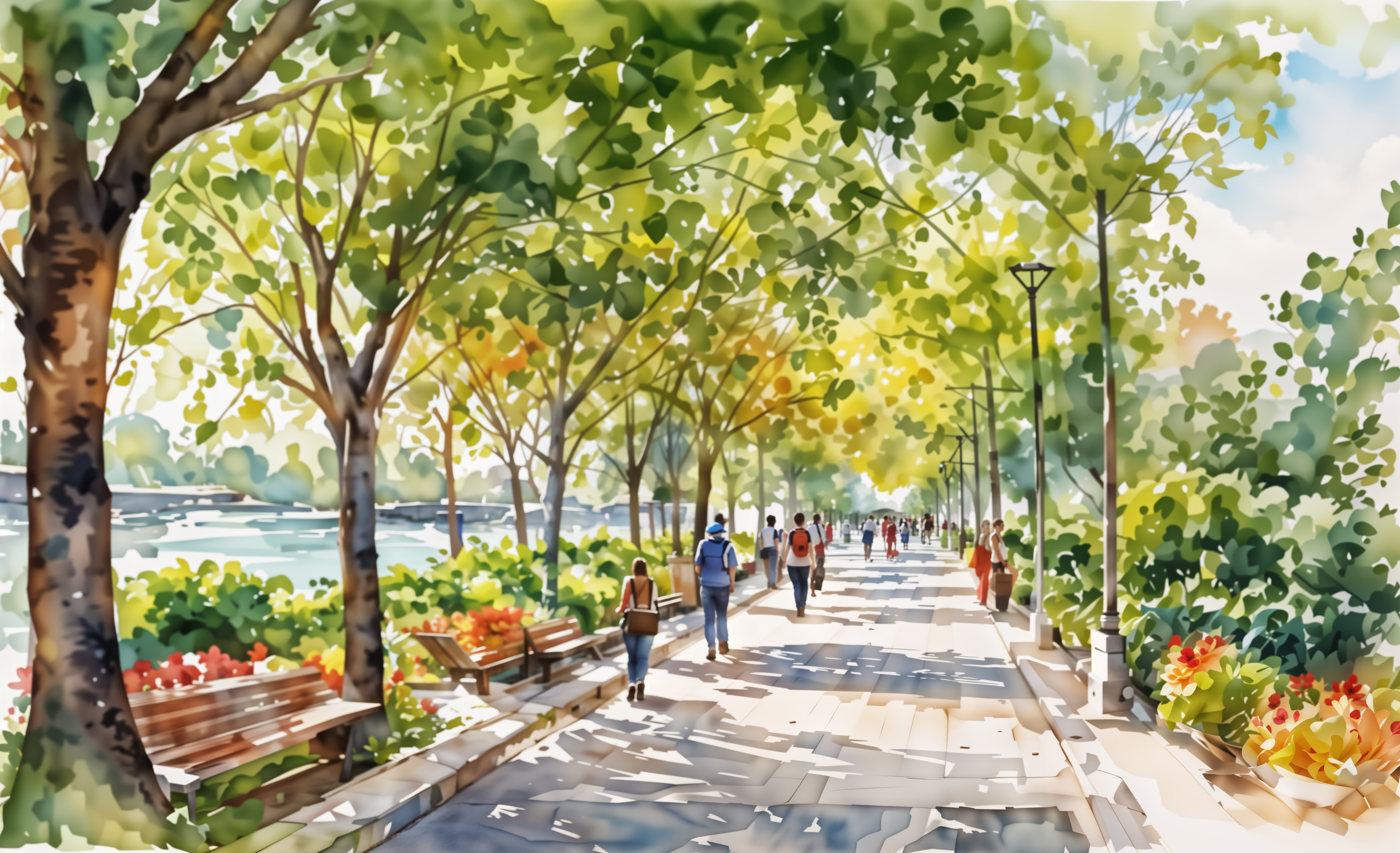 Learn
Learn913 generation sessions produced 3,211 car-free visions of Ludwigstrasse in two festival days — two-thirds of visitors went beyond the presets with free-text prompts.
 Learn
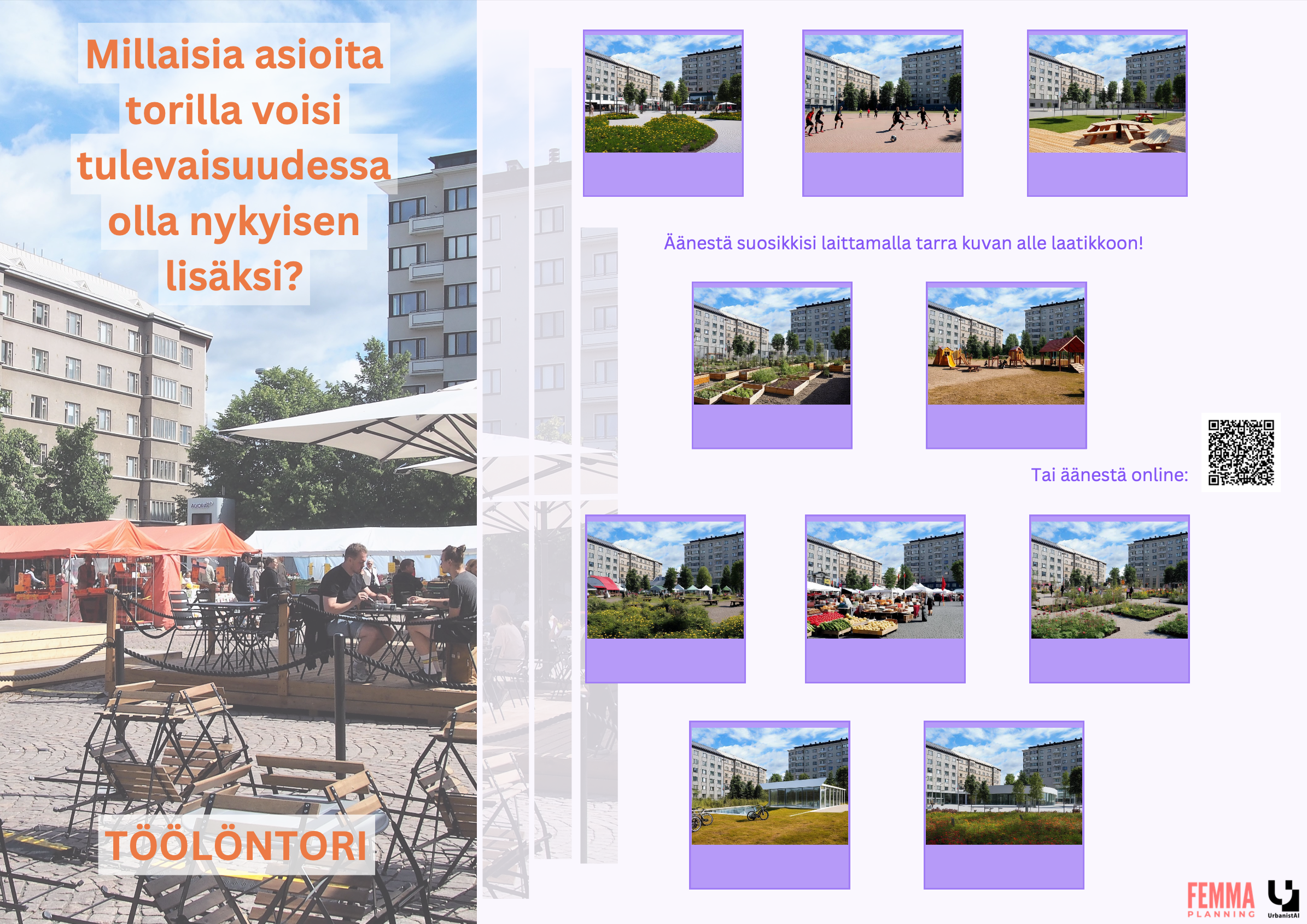
LearnRoughly 3,385 batch-generated scenarios were curated onto A1 voting posters at seven Helsinki market squares, asking passers-by what each square could hold in future.
 Learn
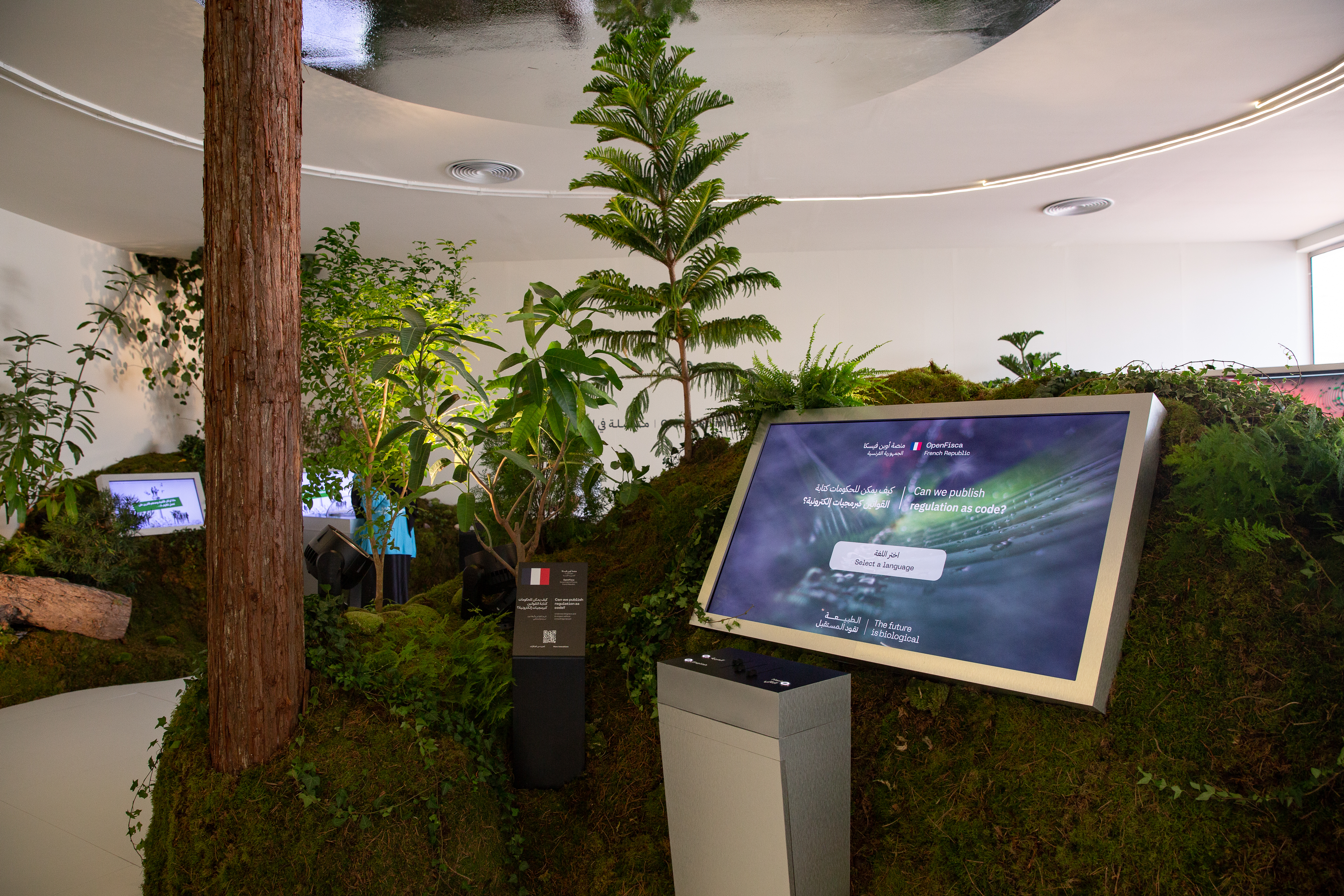
LearnA Dubai-tuned touchscreen installation at the World Government Summit’s Edge of Government exhibition, shown in tandem with the City of Jyväskylä to delegations from over 190 countries.
 Learn
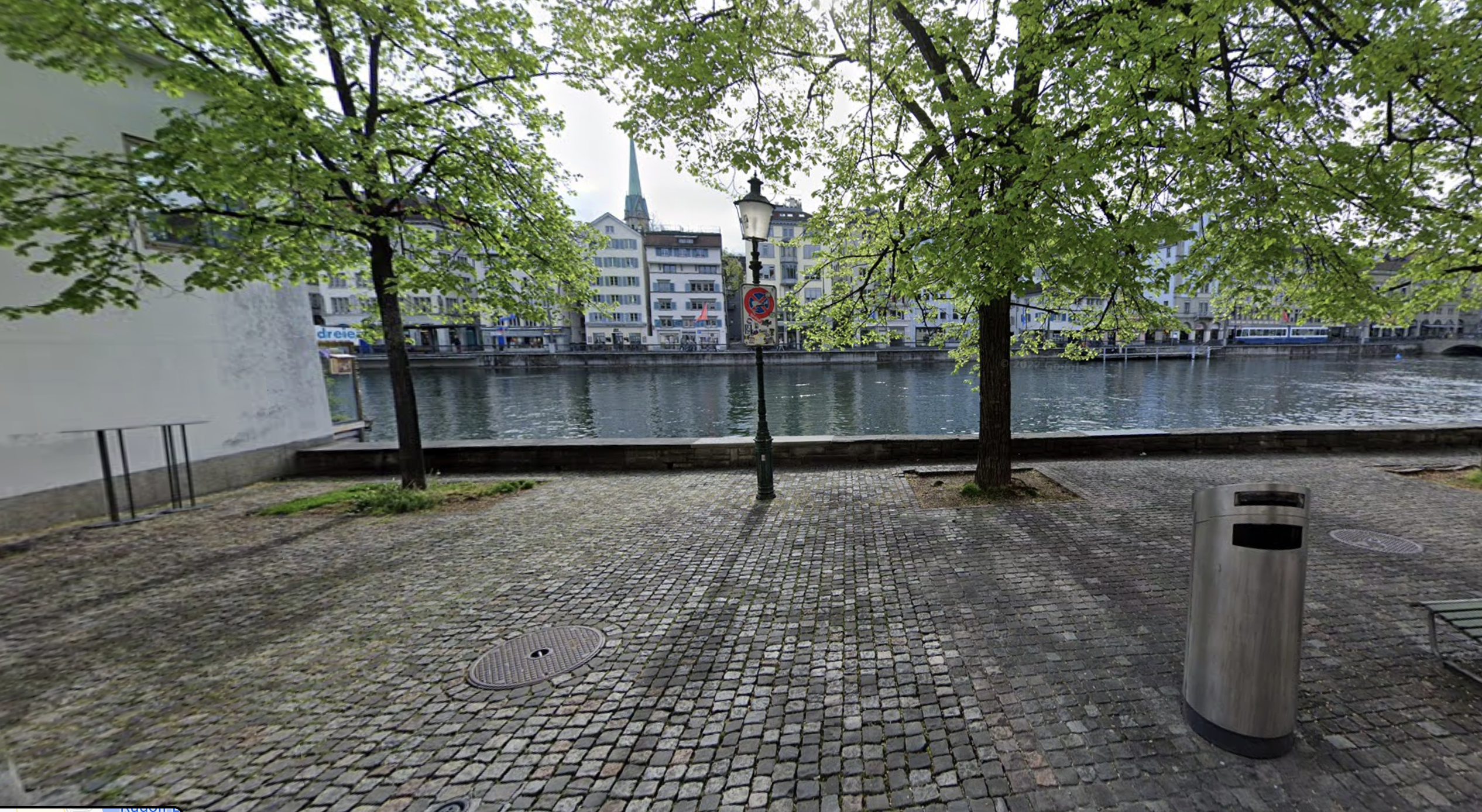
LearnRethinking Zürich’s public spaces with residents.
 Learn
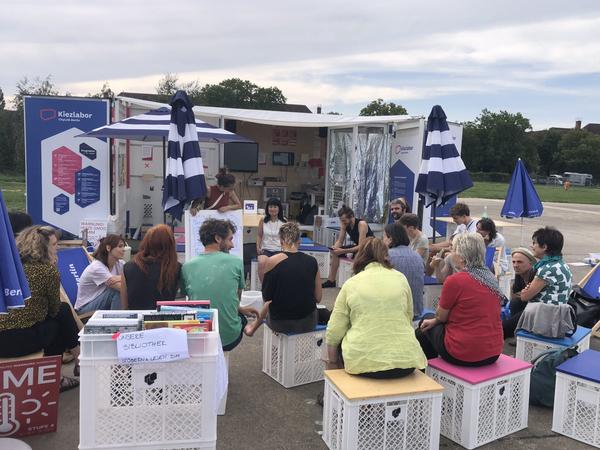
LearnWe partnered with CityLAB Berlin to bring generative AI directly to the streets. By integrating a customized version of CoPlan AI into a touring mobile laboratory, we empowered Berliners to actively reimagine and instantly visualize urban transformations scenarios. Context ClientCityLAB Berlin LocationBerlin, Germany 🇩🇪 Year2023 – 2024 During the summer of 2023, CityLAB Berlin launched
 Learn
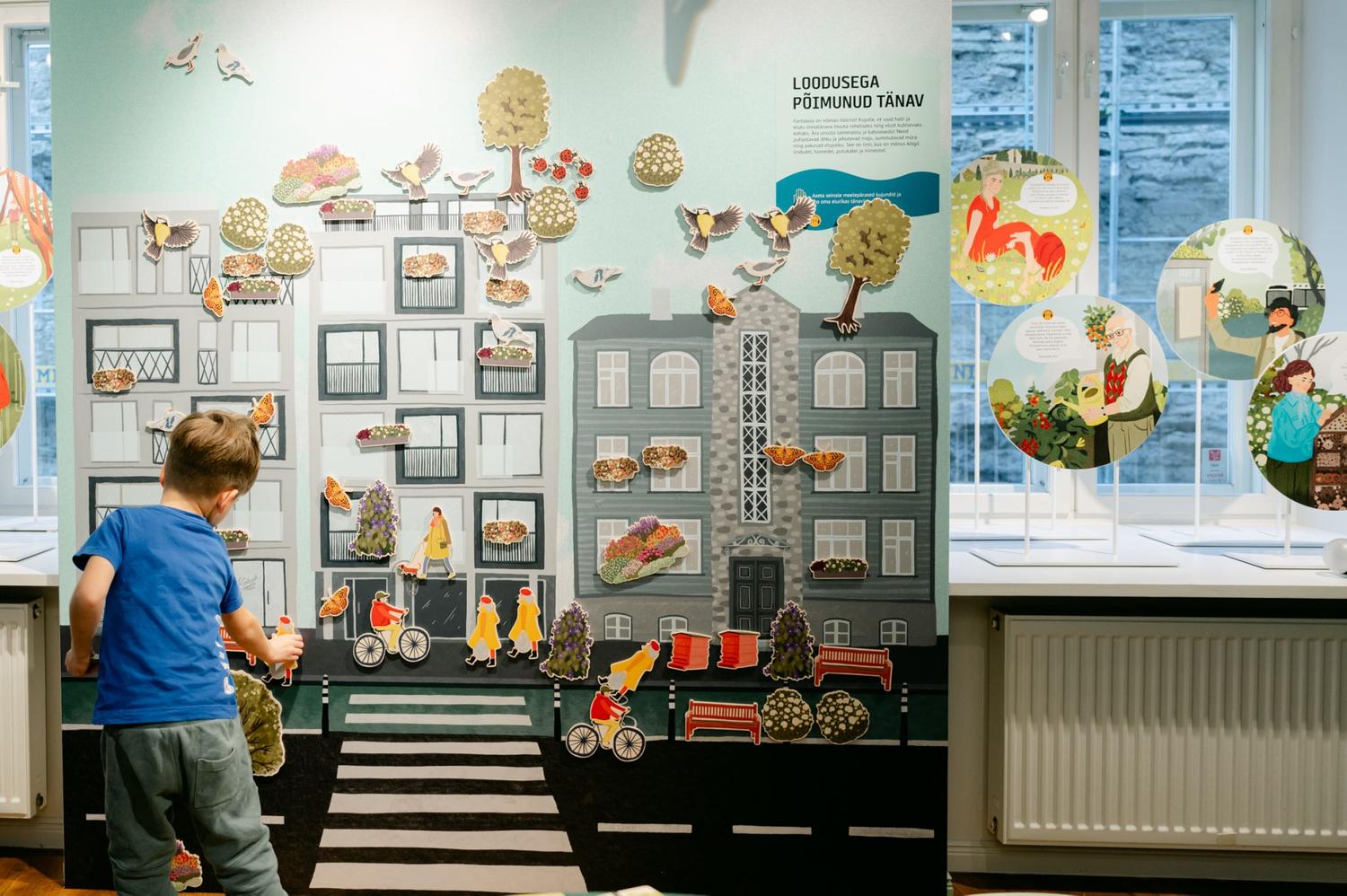
LearnAt CoPlan AI, we helped bridge the gap between urban infrastructure and environmental conservation. Through an interactive museum installation, we empowered citizens to actively reimagine their city as a nature-rich ecosystem. Context ClientEstonian Museum of Natural History LocationTallinn, Estonia 🇪🇪 Year2023 In October 2023, the Estonian Museum of Natural History in Tallinn launched the BiodiverseCity?
Design
19Co-develop a specific proposal for a specific site.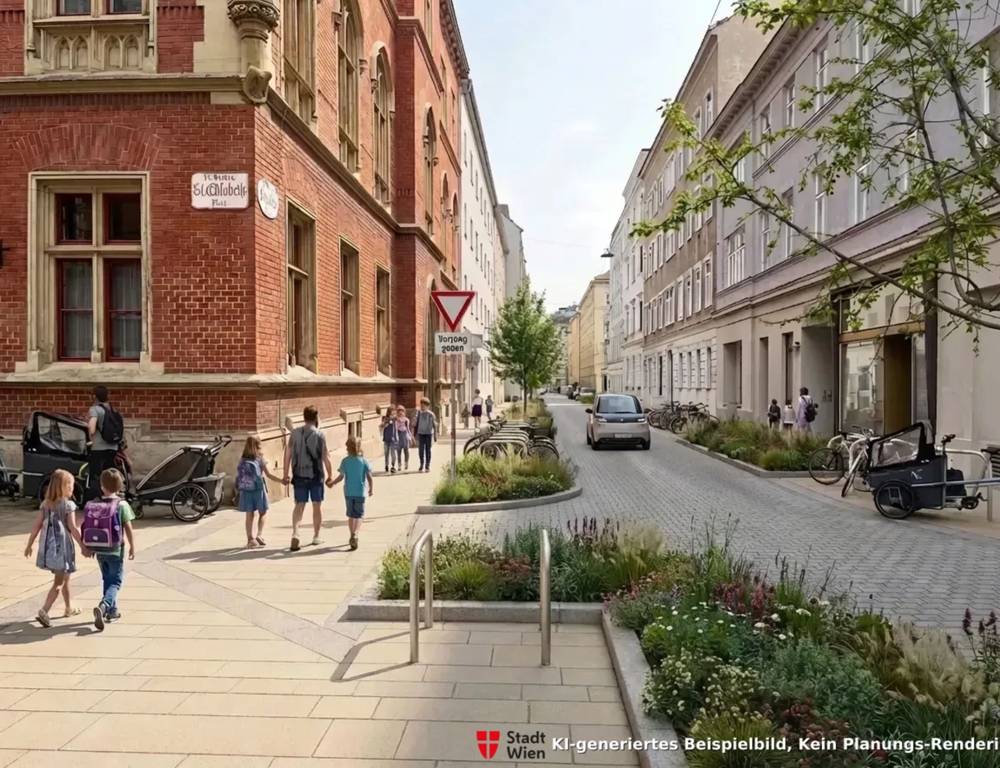 Design
Testing a superblock model, block by block.
 Design
A year-long governance engagement in which Dubai Municipality’s own planners redesigned their workflows around AI — including a clause-by-clause ‘Clause Hunt’ through their own design manual.
The City of Wiesbaden is testing CoPlanAI with elementary-school children, asking what their neighbourhood would look like if it were child-friendly.
 Design
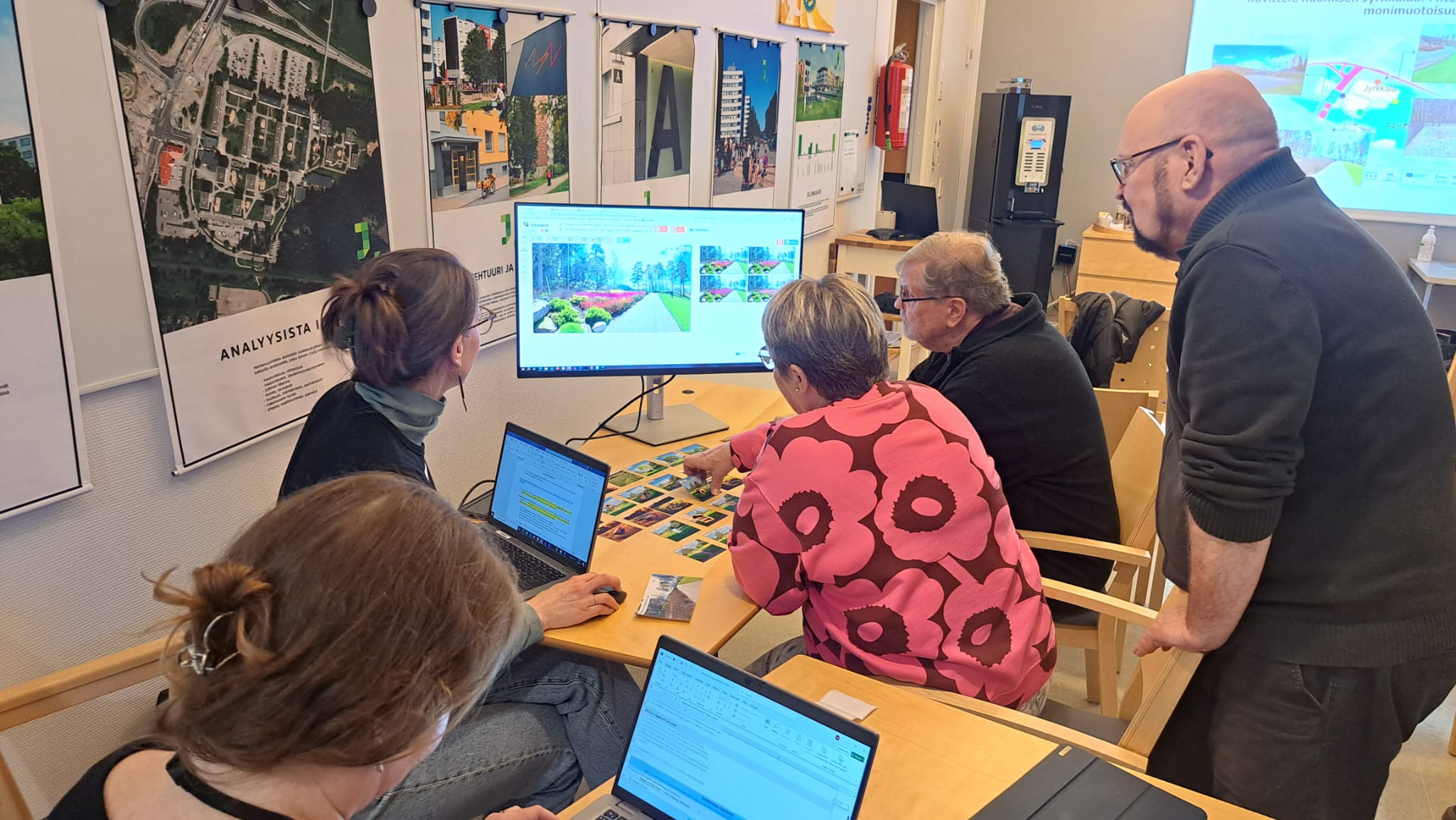
Three EU-funded co-design workshops with 30 residents and practitioners generated nature-based-solution visions from bespoke biodiversity element cards — published as an ISBN report, with 100% of Jyrkkälä residents saying the visions reflected their aspirations.
 Design
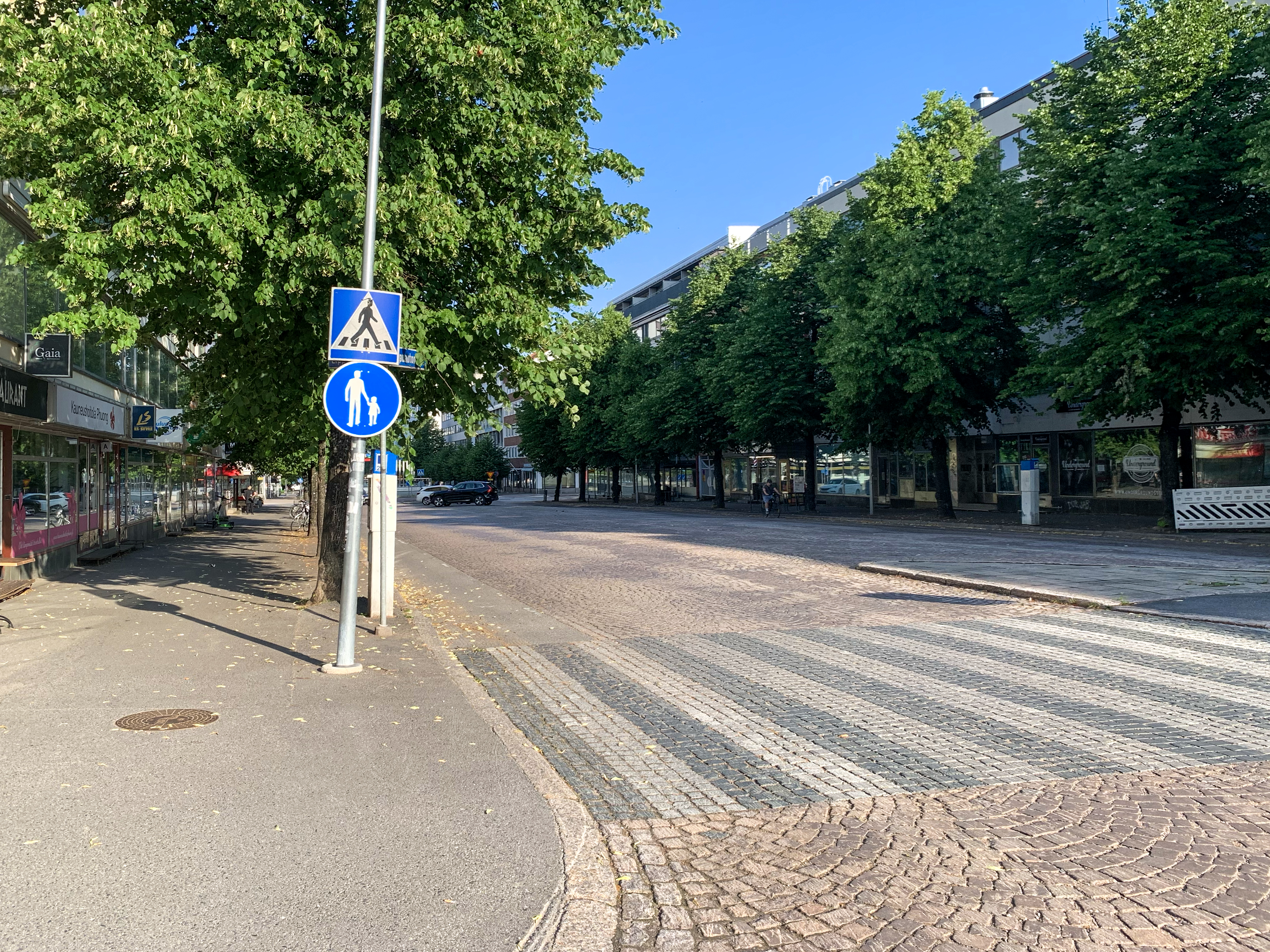
Ten city-centre sites, bilingual prompt libraries built from the official vision’s theme drafts, and 670 precomputed scenario images prepared for resident workshops feeding Oulu’s centre vision 2026–2040.
 Design
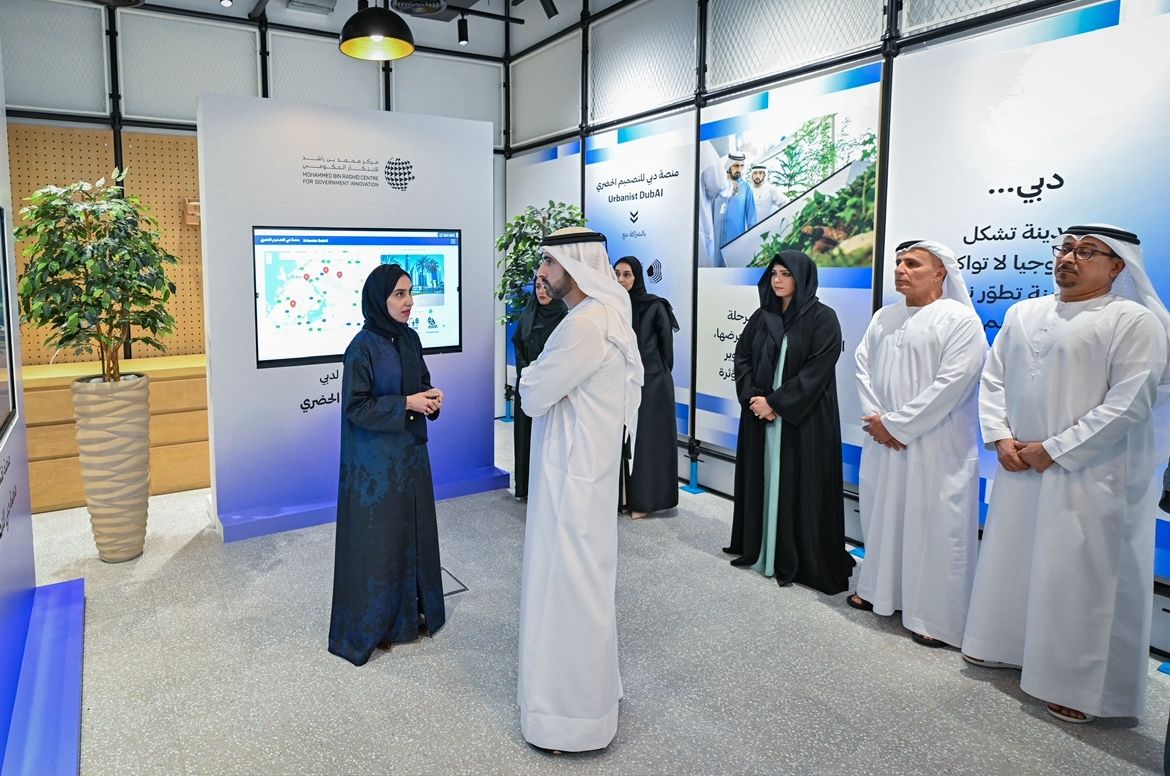
A bespoke bilingual platform commissioned by Dubai’s government, publicly activated on a Crown-Prince directive and launched with resident co-design workshops within nine months of the first sketches.
 Design
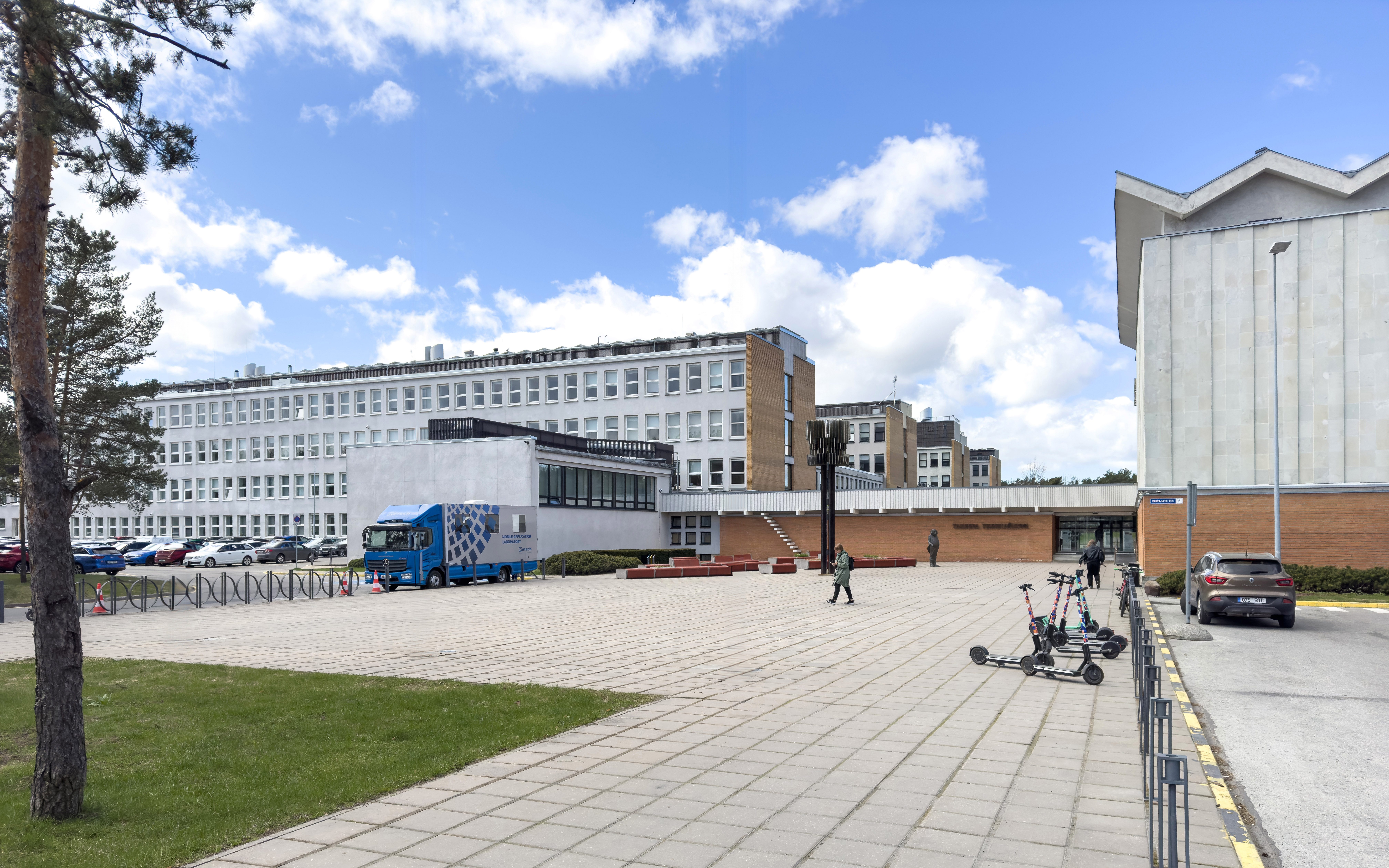
University staff co-designed greener futures for a car-dominated campus forecourt — eight prompted AI scenarios framed explicitly as discussion-starters, not designs.
 Design
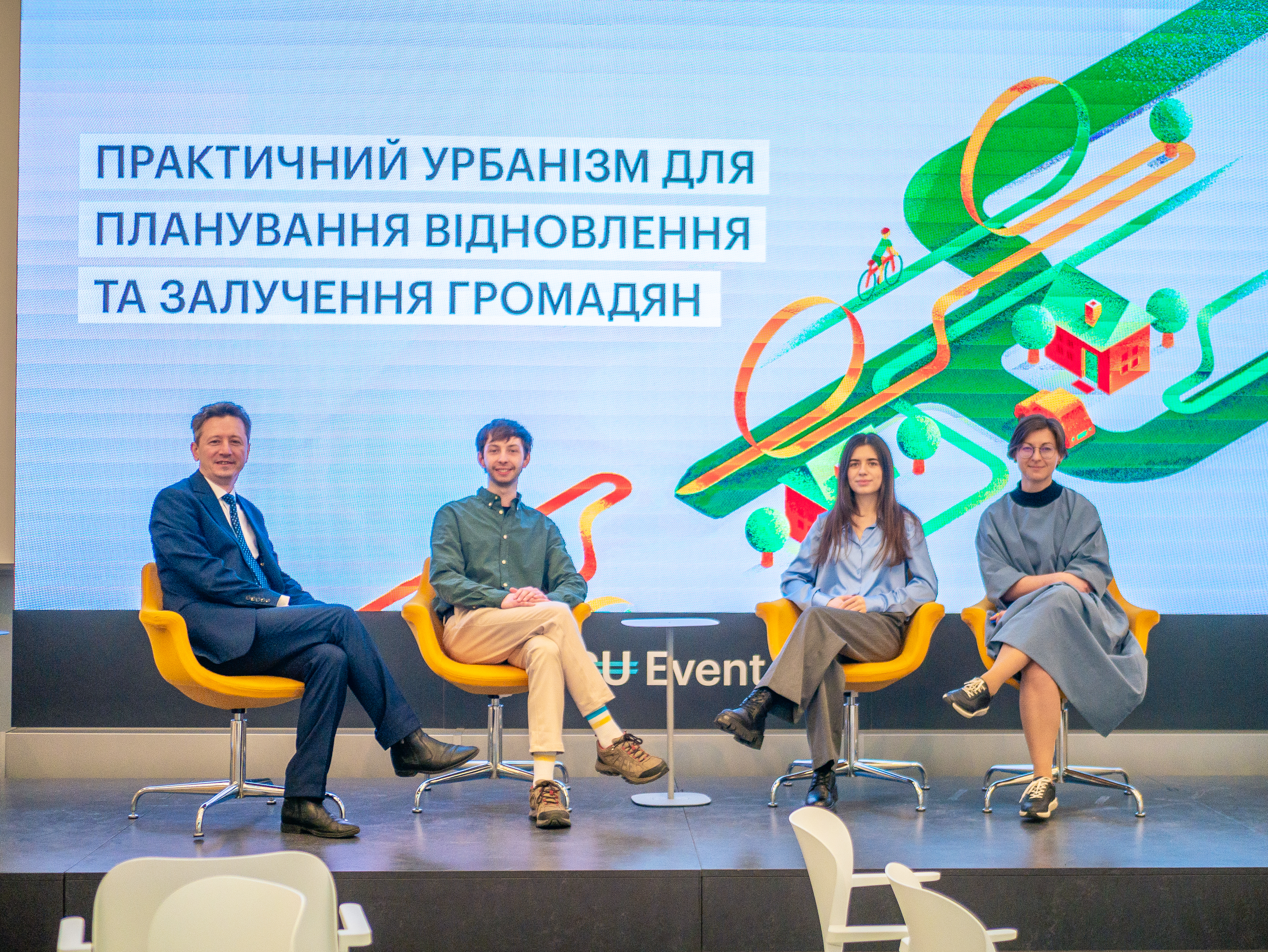
Five war-affected Ukrainian municipalities supplied measured sites — parks, squares, a commemoration alley — as co-design inputs at a Kyiv School of Economics event within Ukraine’s DREAM reconstruction ecosystem.
 Design
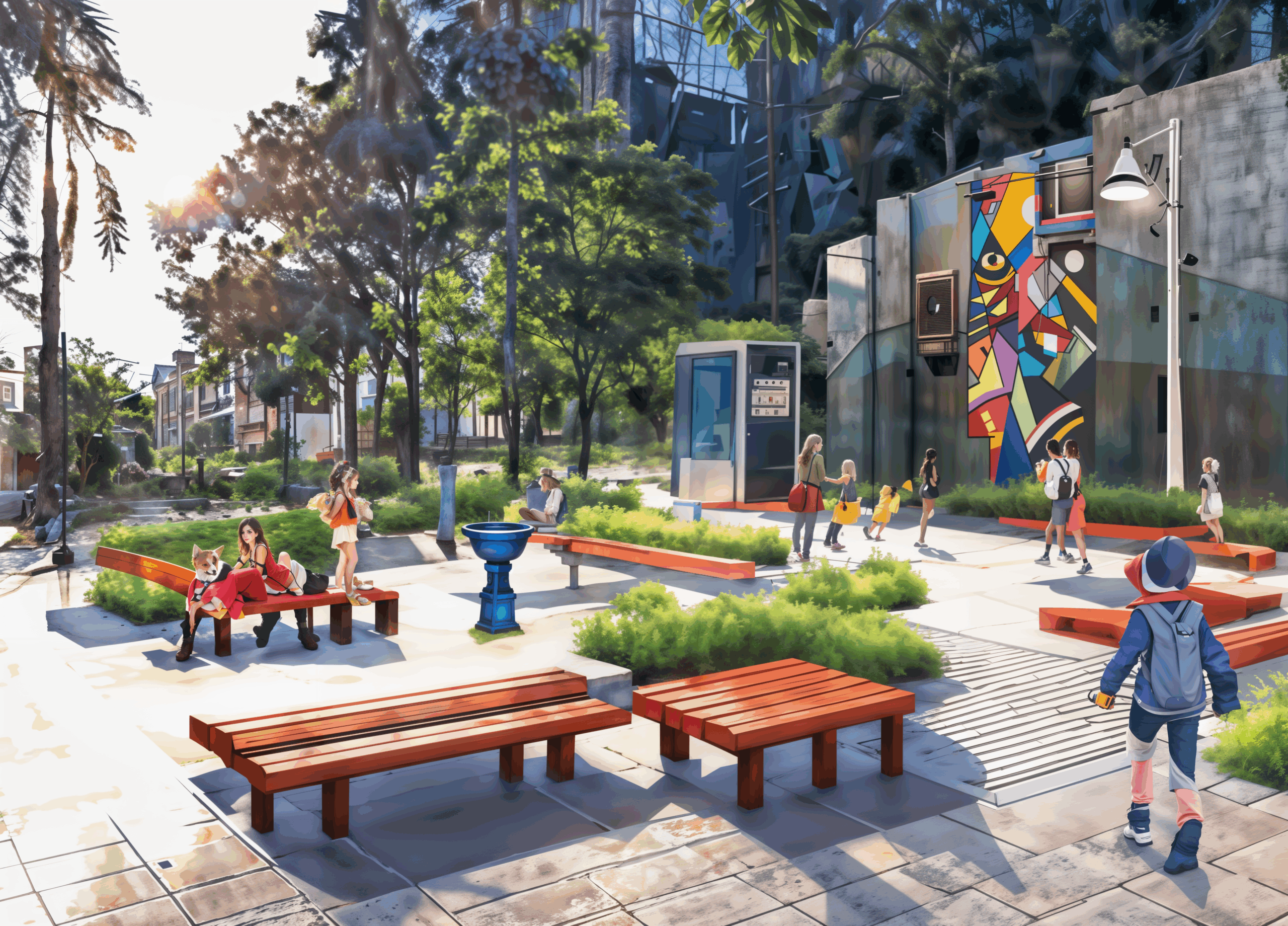
After a bootcamp and subscription, GIZ staff themselves generated feminist redesigns of Manila streets, carried as postcards on a 2.1 km walk with 67 participants at the ADB Transport Forum.
A hands-on workshop at the 2nd CIVINET Greece–Cyprus Forum introduced AI-assisted co-design to the Greek municipal network — UrbanistAI’s first Greek appearance.
 Design
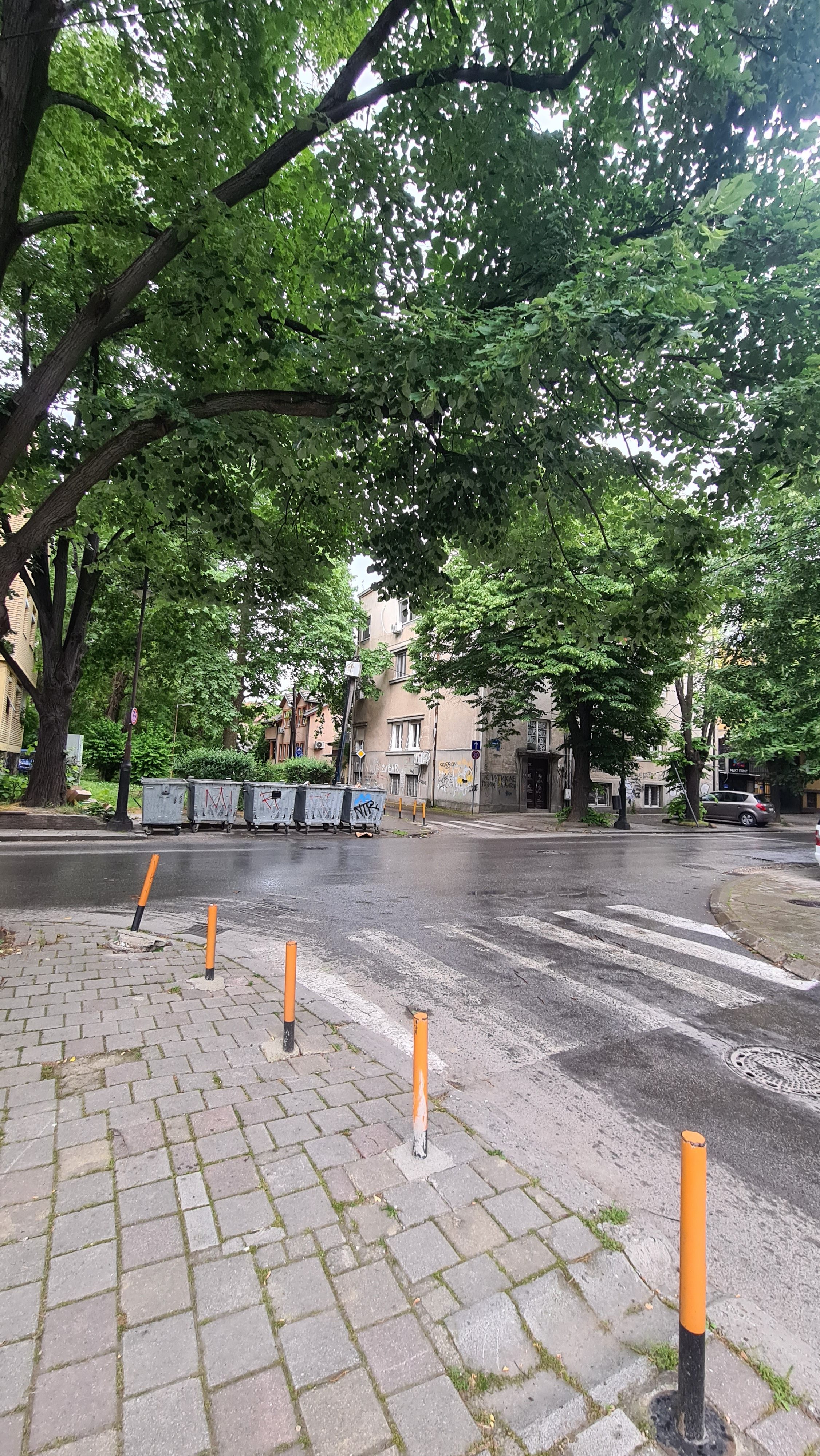
A UNDP keynote on AI-enhanced participatory planning converted within a fortnight into a contracted workshop commission, with seven Skopje sites prepared for regreening scenarios.
Three working groups generated over 1,000 AI images of Niine Street in a three-hour Design Night workshop, converging on a shared pedestrian-friendly vision.
 Design
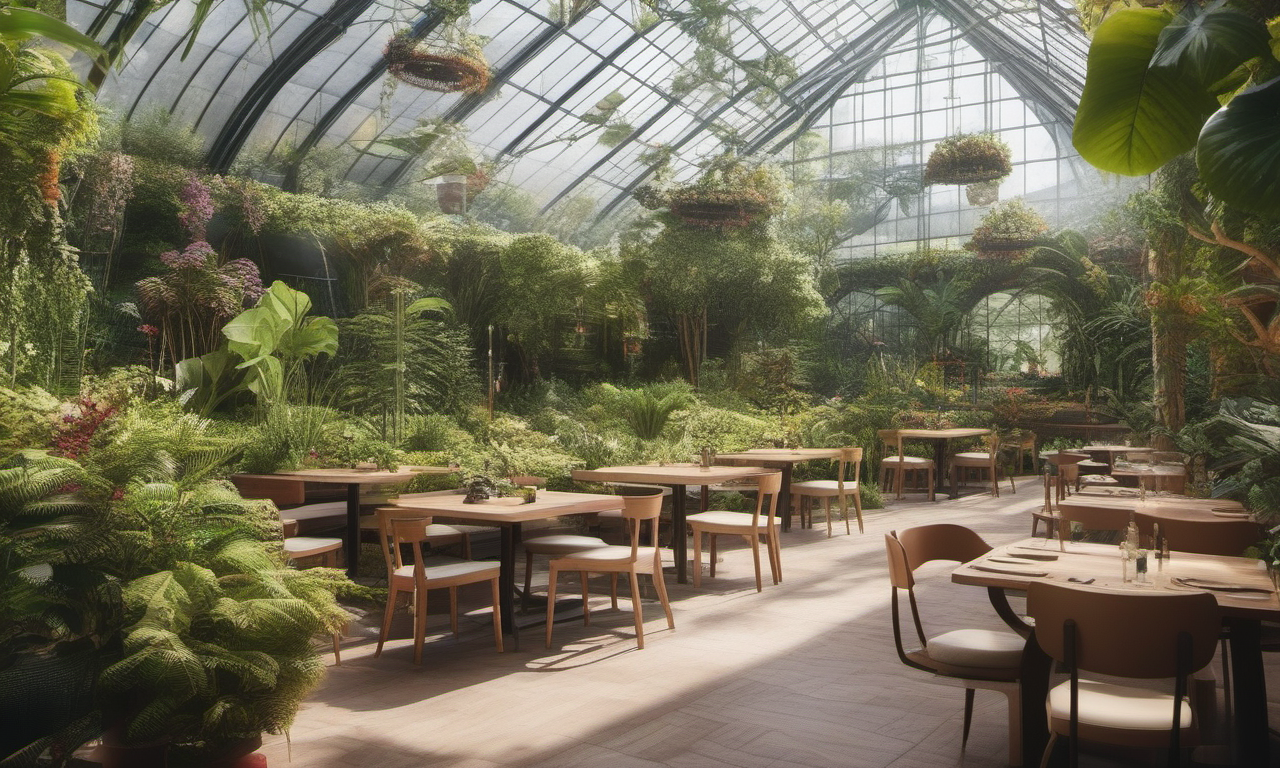
Culture and real-estate actors generated 112 AI scenarios of the main library’s interiors in a single session — the tool’s first use on interior space.
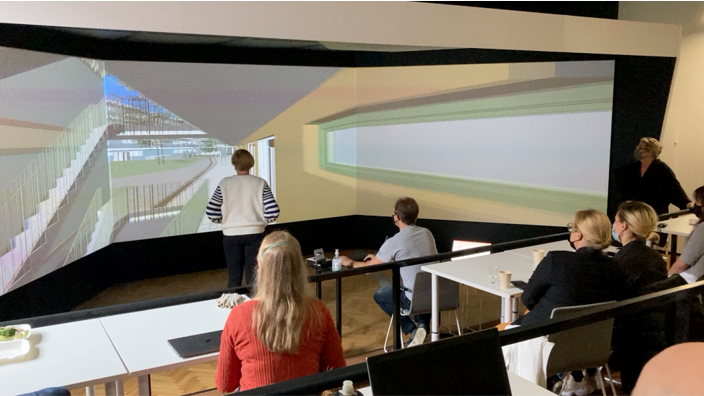
The closing session of Baltan Laboratories’ three-part community series combined Humankind’s Good Public Space Analysis with UrbanistAI to reimagine a Rochusbuurt green space.
 Design
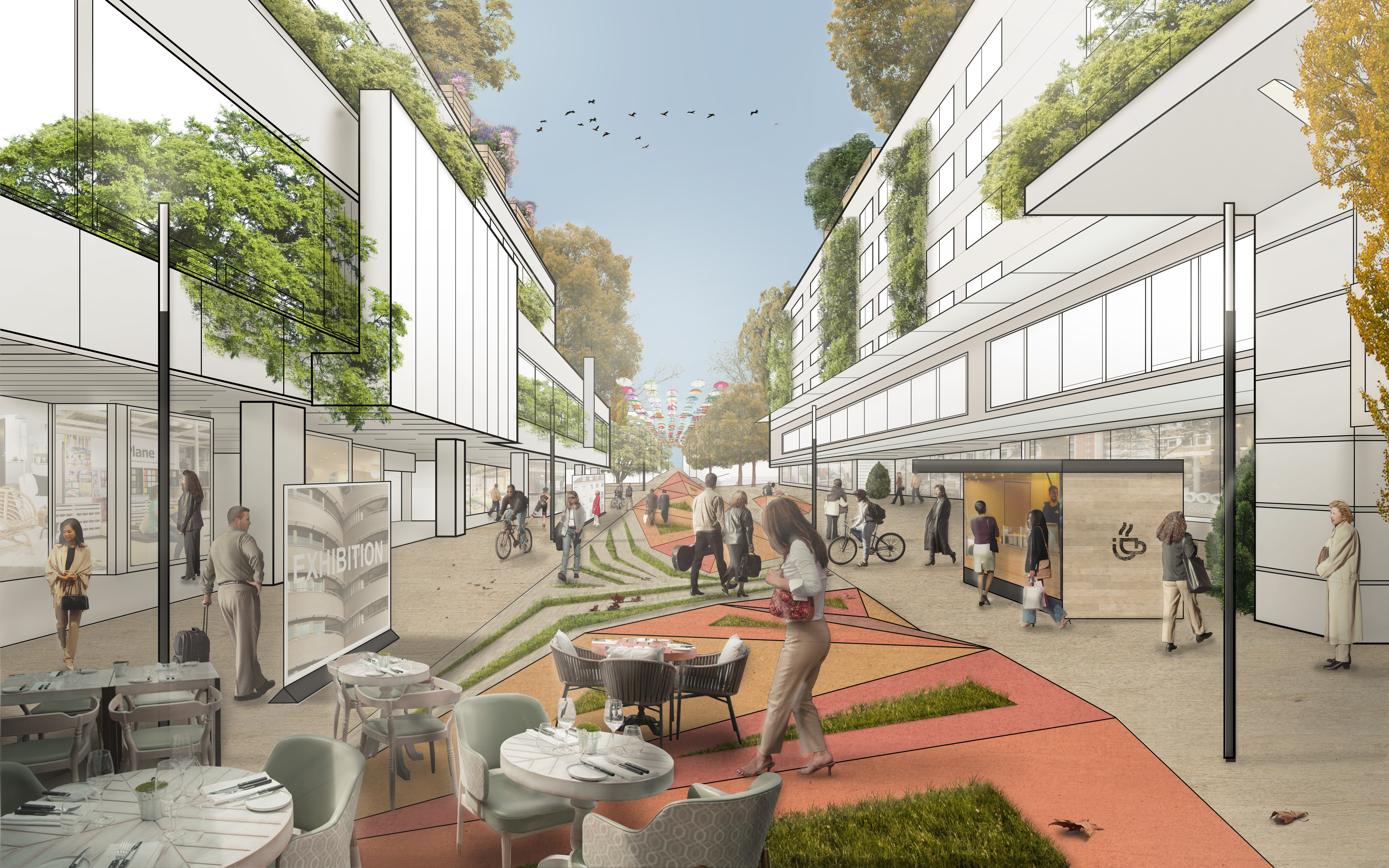
UrbanistAI installed as standing co-design tooling inside AvaLinn, Tallinn’s participation hub — an institutional embedding confirmed by the European Commission’s Public Sector Tech Watch.
 Design
The origin deployment: a two-day charrette on Kauppakatu, one of Finland’s first pedestrianised streets, where participants’ sketches became photorealistic street scenarios — the first documented use of the tool, 26 October 2021.
 Design
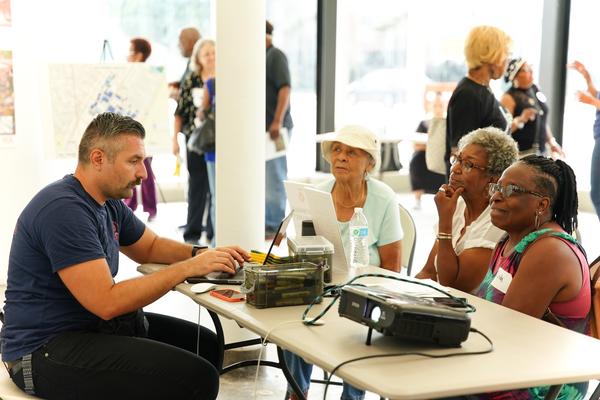
We partnered with the urban design consultancy Seventh Hill to bring community-driven ideas to life for the Connect East Cleveland revitalization initiative. By providing instant visual feedback, we helped residents directly shape the future of their neighborhood’s streetscapes and public spaces, turning their aspirations into actionable design concepts. Context ClientSeventh Hill LocationCleveland, USA 🇺🇸 Year2023
 Design
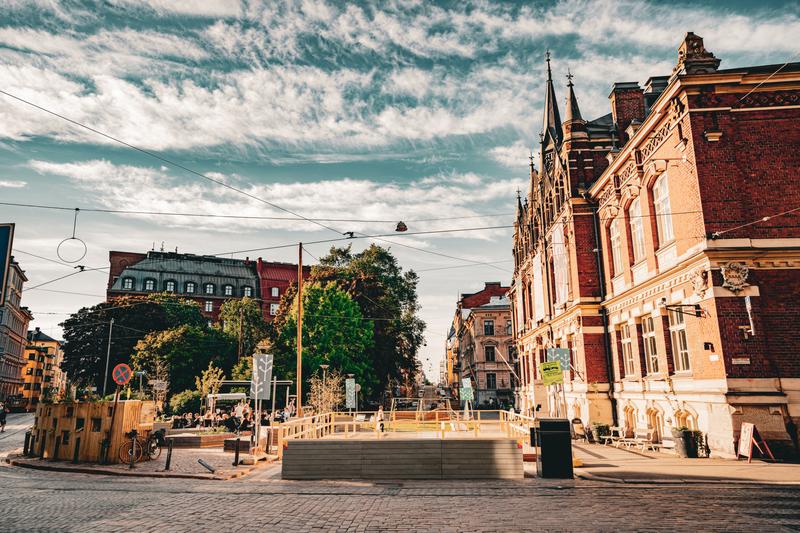
A shared mandate for a car-light summer street.
Compliance-checked scenarios for a district.
Imagine
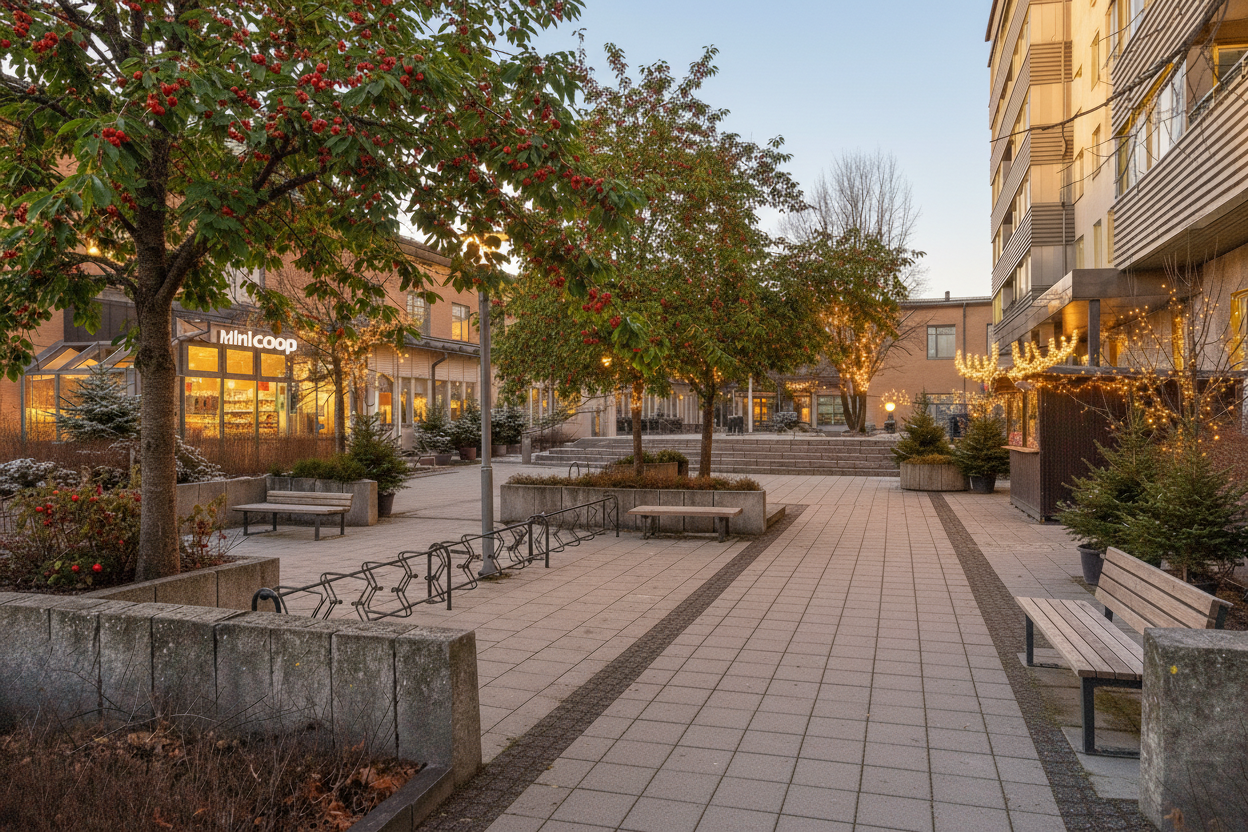
17Open the field to the boldest futures a place could hold.A demonstration kiosk prepared for WUF13 in Baku: QR codes opening guest-mode CoPlanAI workspaces for seven GIZ Connective Cities partner locations, from Huye to Hebron.
 Imagine
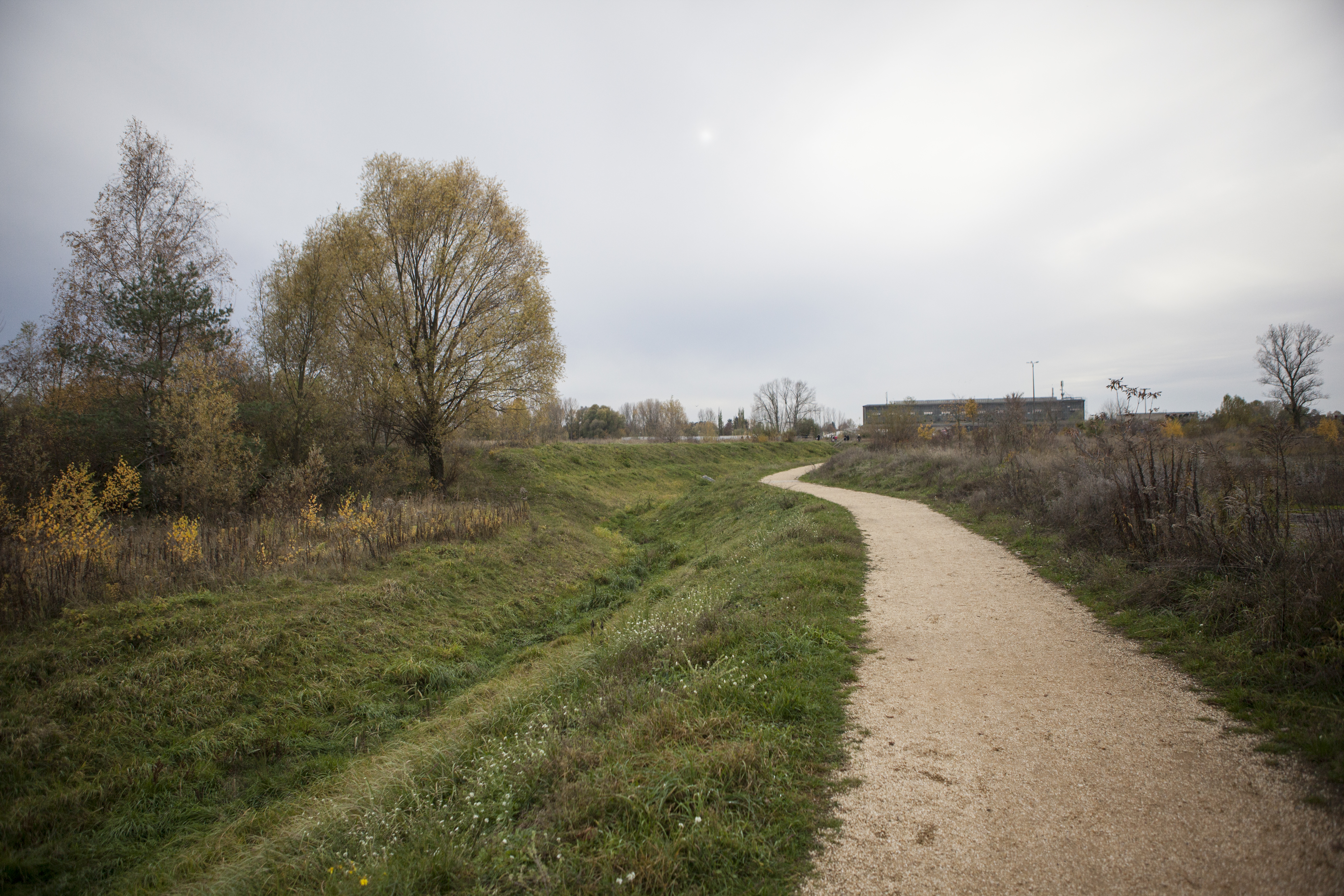
Schoolchildren photographed real Luleå places and reimagined them with CoPlanAI — 236 generated images from a single January 2026 workshop, unmistakably child-authored.
 Imagine
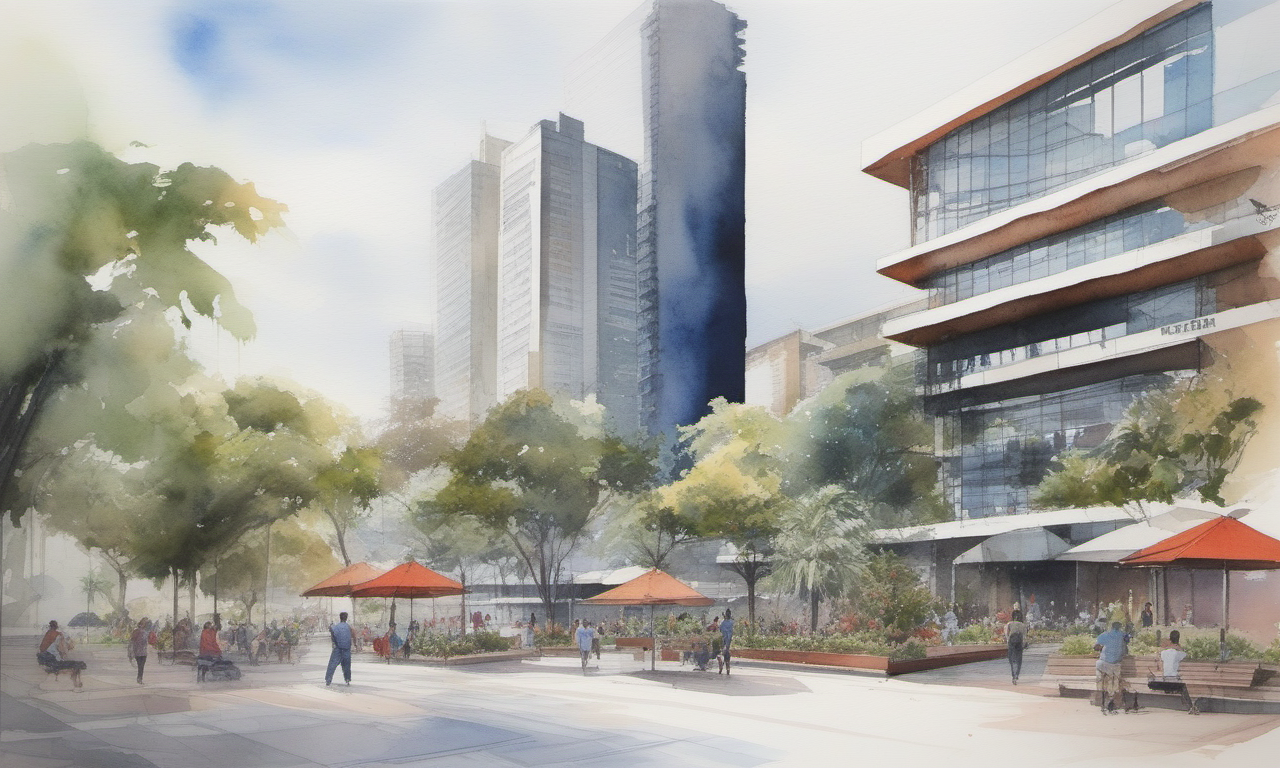
CoPlanAI supports GIZ’s year-long Green Corridors peer-learning cohort — municipal practitioners from Germany, North Africa and the Middle East — with AI-visualised urban scenarios, opening with a hybrid Cairo kick-off.
 Imagine
Youth-authored climate priorities for the city.
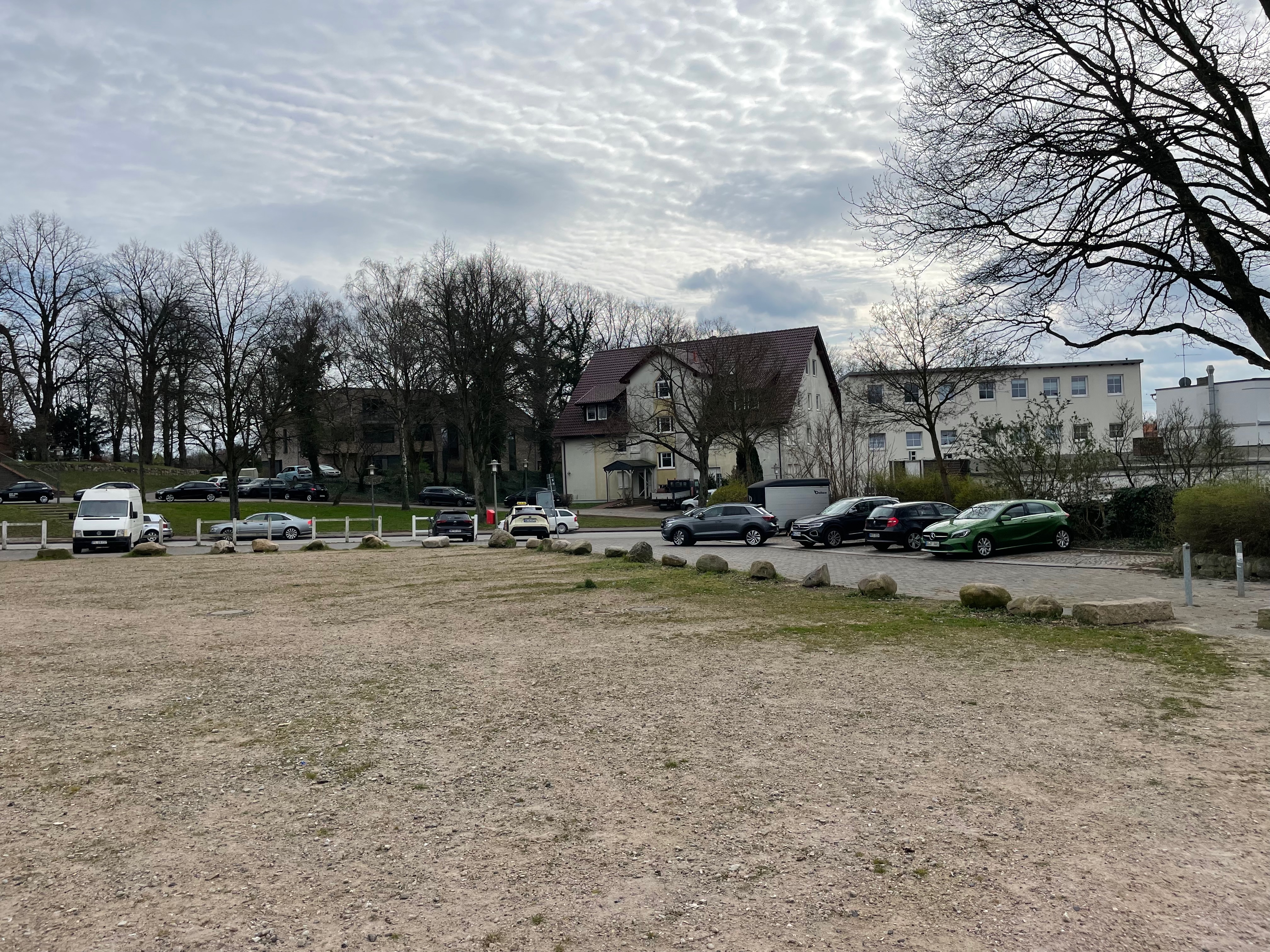
A Vinnova-funded prototype explored accessible, calm, equitable and shared mobility futures across three Stockholm districts, pairing AI visualisation with a physical prototype and a card game.
 Imagine
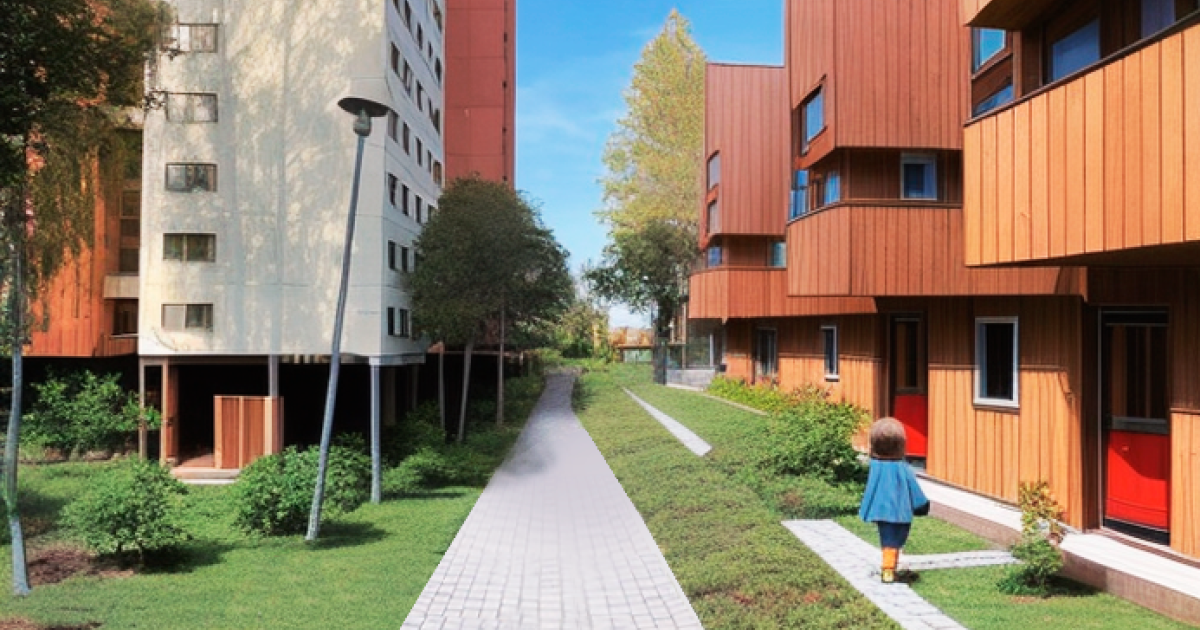
Facilitator bootcamps and subscriptions let HafenCity University run two children’s co-design sessions reimagining a green space near the campus — with a bilingual prompt-card deck steering, and free play allowed.
 Imagine
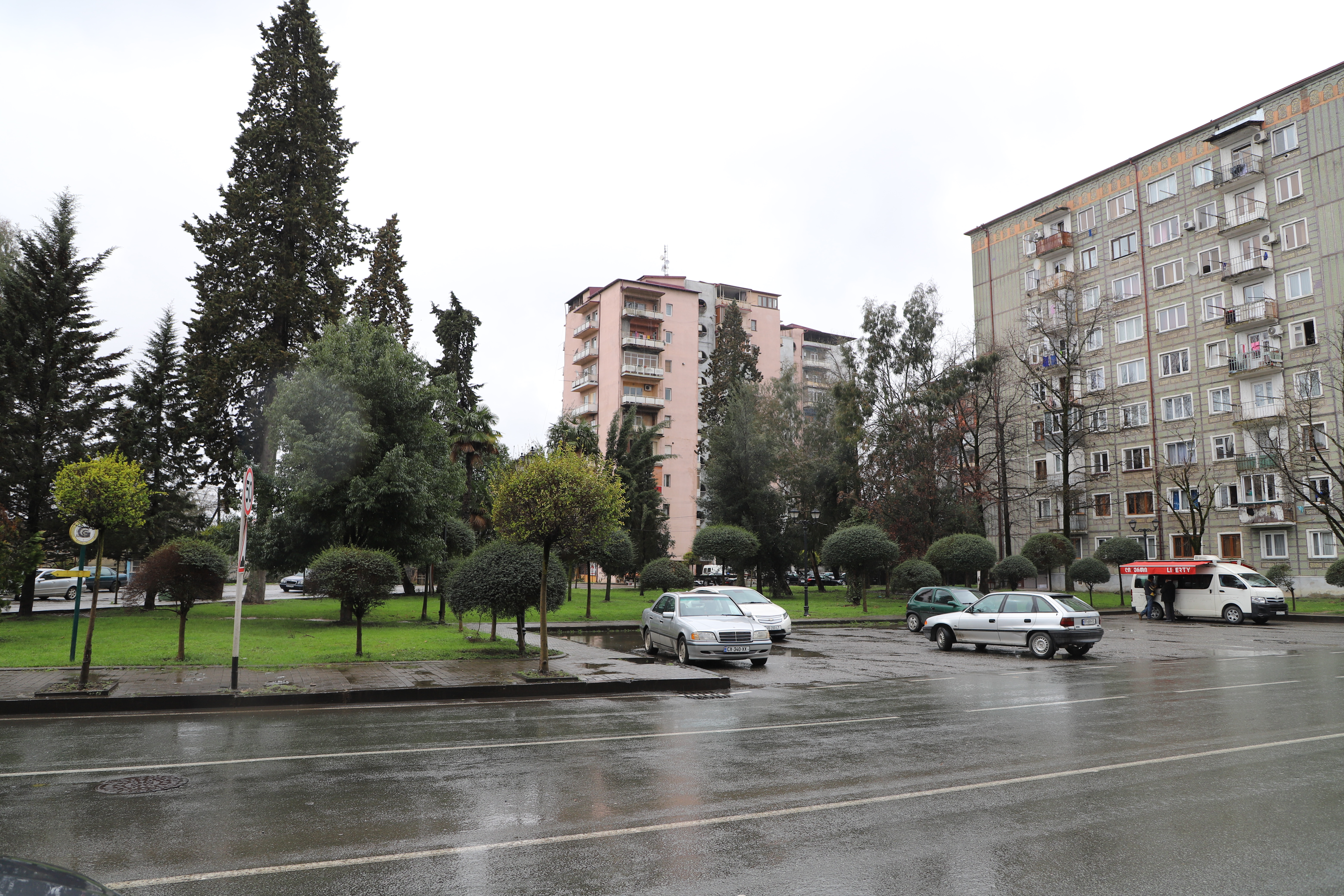
A two-day resident charrette visualised ‘Havukoski in the future’ — three 2040 narratives and AI scenario images that fed the district’s framework plan.
 Imagine
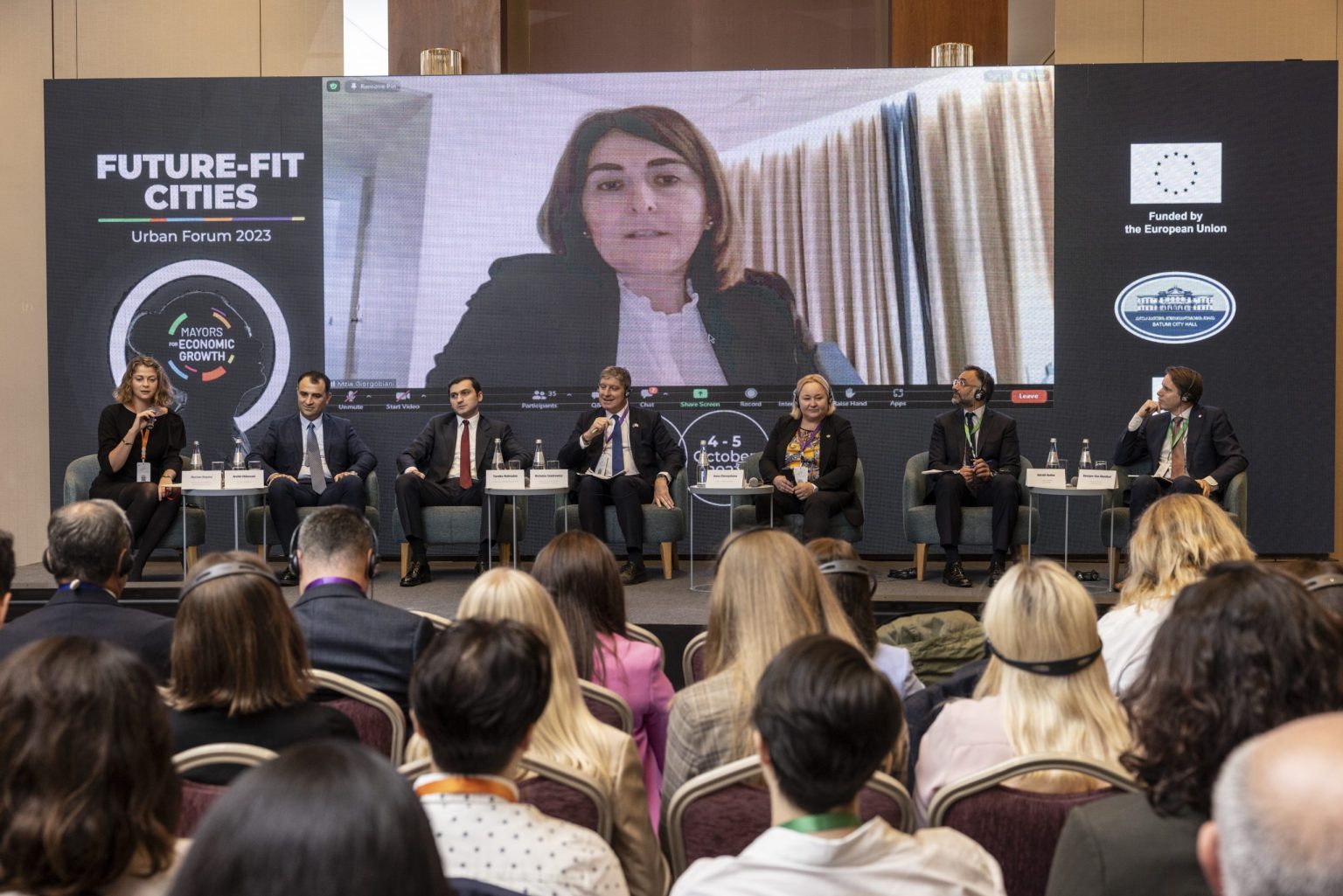
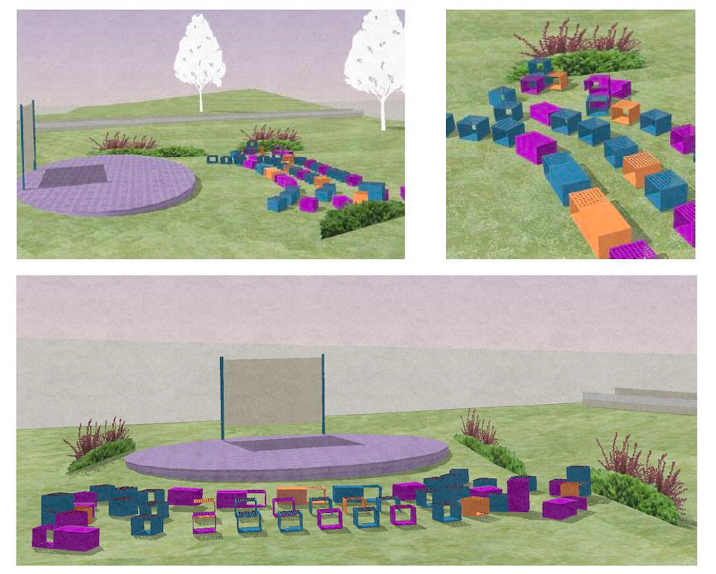
Municipalities from Georgia and Moldova supplied seven sites — squares, a park, an old circus — for a hands-on AI co-design session at UNDP’s Future-Fit Cities Urban Forum.
 Imagine
Three engagements in one city and year: children’s councils co-designed public spaces under the UNDP City Experiment Fund — with implementation of two designs initiated — alongside festival workshops and the Blloku 1 neighbourhood regeneration.
After UrbanistAI facilitator bootcamps, Luleå University ran its own workshop with 35 children aged 12–13 redesigning their school route — and licensed the platform for ongoing teaching.
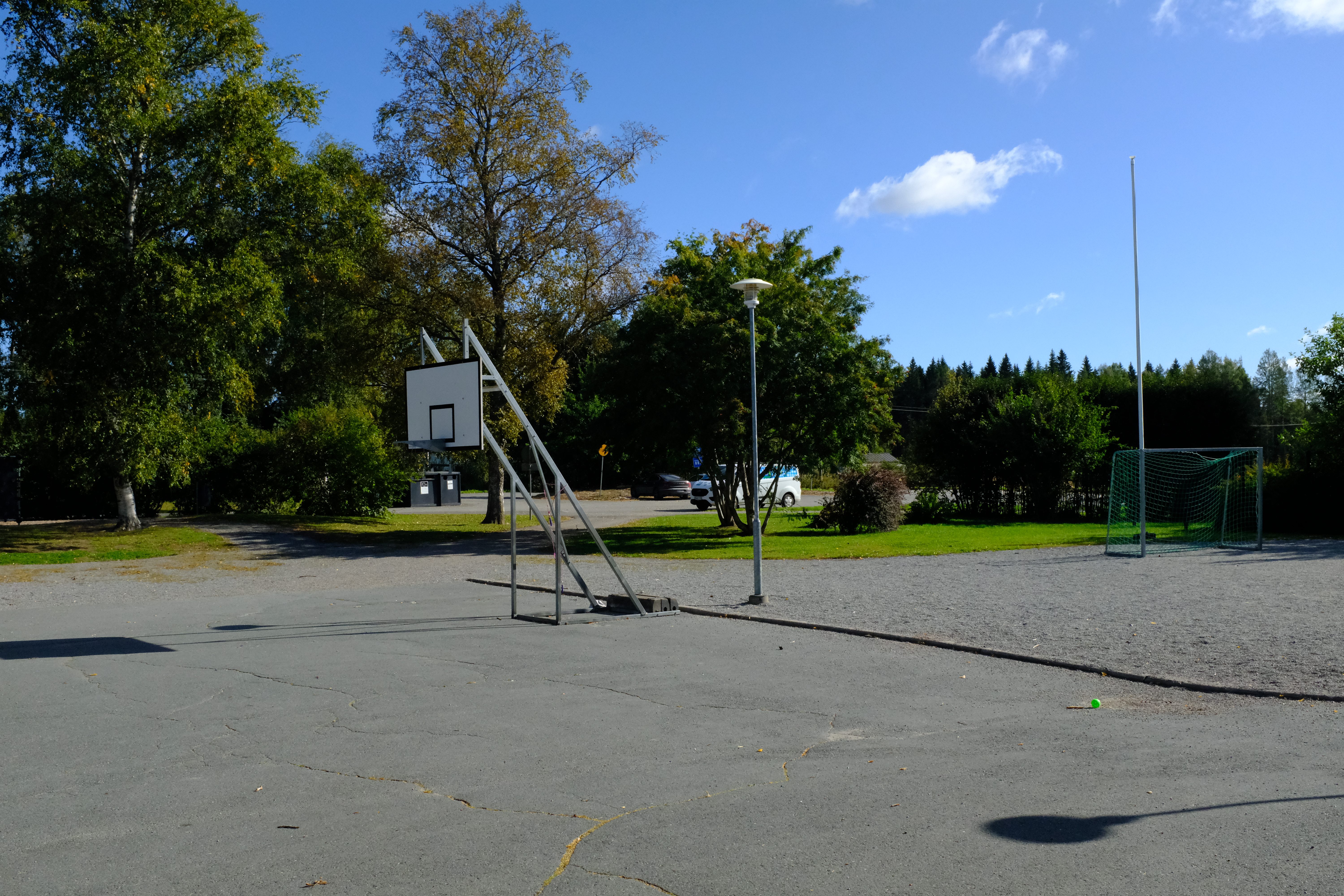
A workshop and talk at the CityDNA Autumn Conference introduced destination-management professionals to sketching urban-tourism futures with generative AI.
 Imagine
An ACE research grant produced a child-adapted interface and method for ages 6–14, tested with a school class of about 20 pupils in Finland and at a Milan museum event.
 Imagine
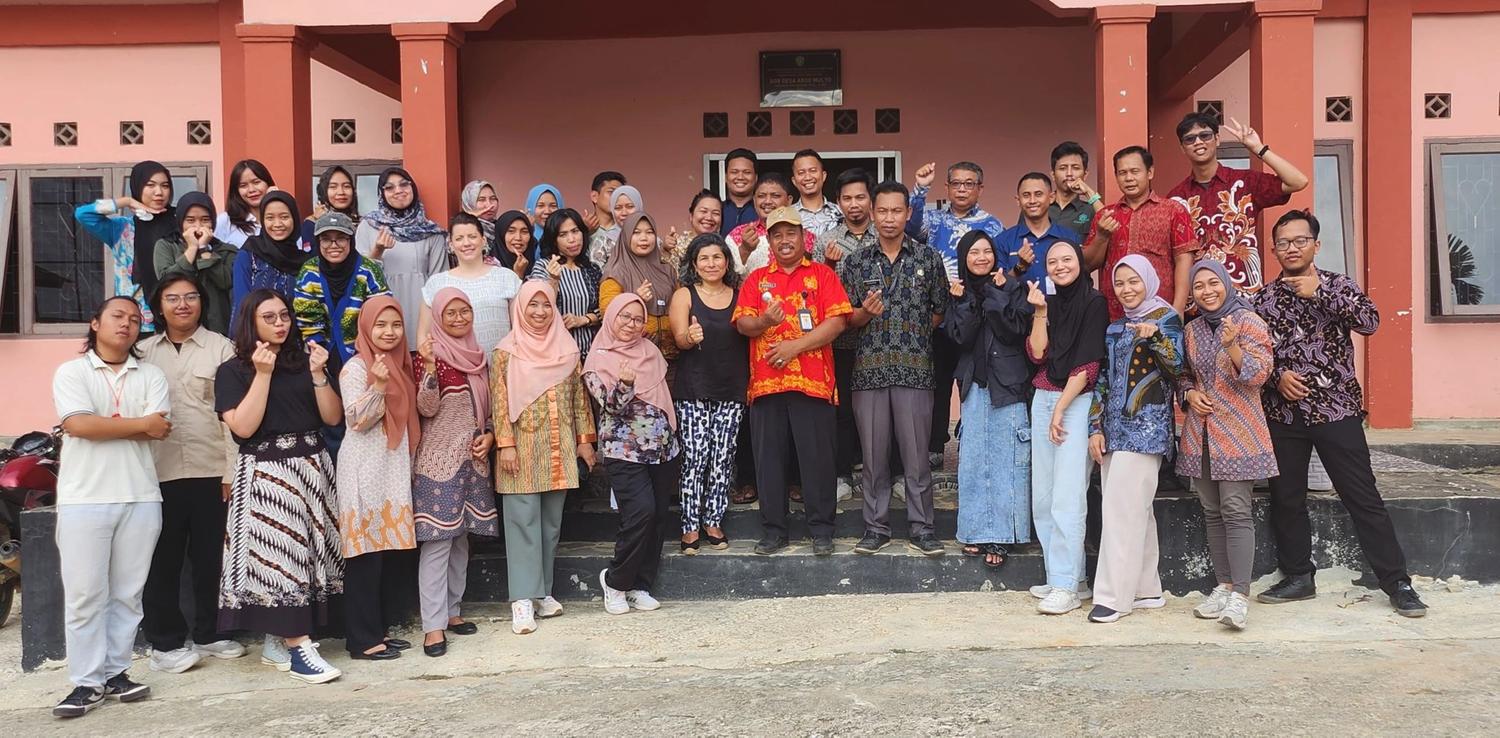
CoPlan AI empowered the future residents of Indonesia’s planned capital, Nusantara, to actively visualize and integrate their aspirations into the city’s foundational development. Context ClientNusantara Capital City Authority, University of Turku LocationArgo Mulyo, Indonesia 🇮🇩 Year2024 The “Foresight for Resilient Cities” initiative was established to understand how different stakeholders perceive the massive urban transformation required
 Imagine
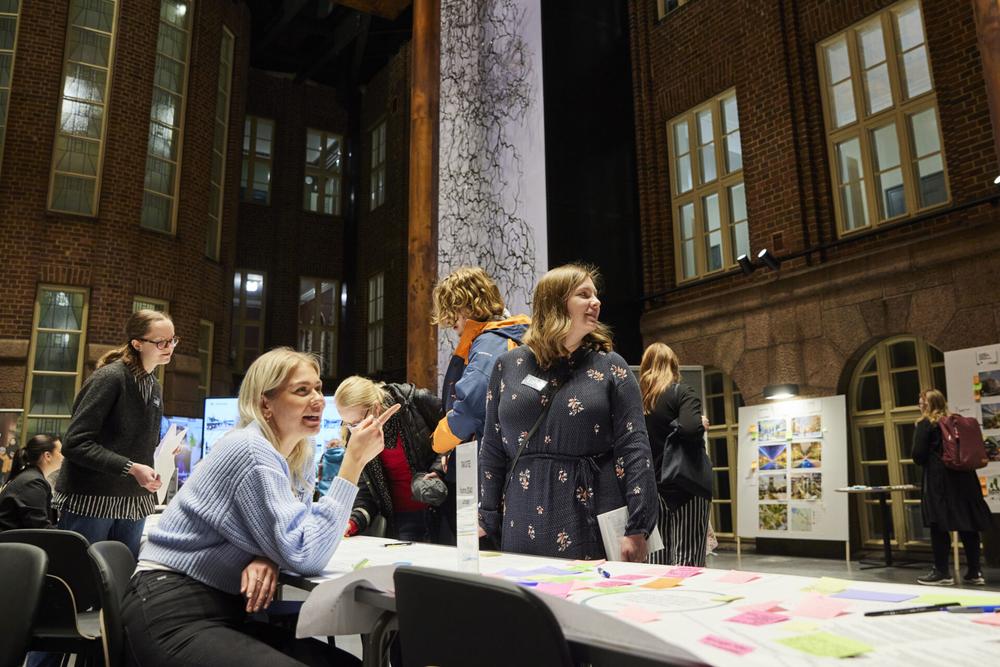
At CoPlan AI, we partnered with The New City Collective (Uusi Kaupunki Kollektiivi) and the City of Lahti to bring their “City Center Vision 2040” to life. By providing real-time generative visualizations during a major civic festival, we helped citizens and politicians turn abstract ideas into concrete visual goals, effectively bridging the gap between public
 Imagine
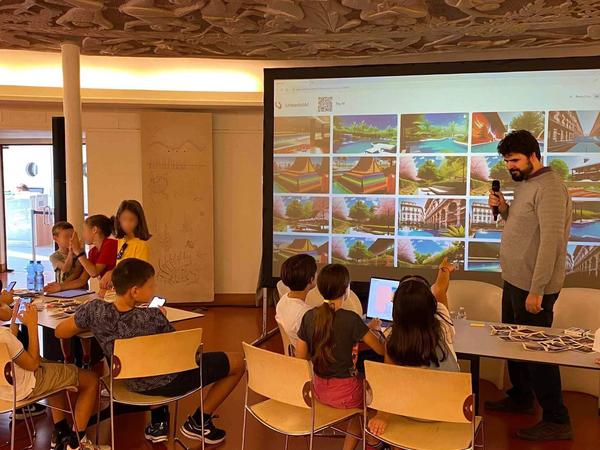
CoPlan AI partnered with the National Museum of Science and Technology Leonardo da Vinci in Milan to teach children the fundamentals of urban design. Using a specially adapted, kid-friendly version of CoPlan AI, we empowered young minds to reimagine their everyday environments. Context ClientMilano Digital Week LocationMilan, Italy 🇮🇹 Year2023 In October 2023, during Milano
 Imagine
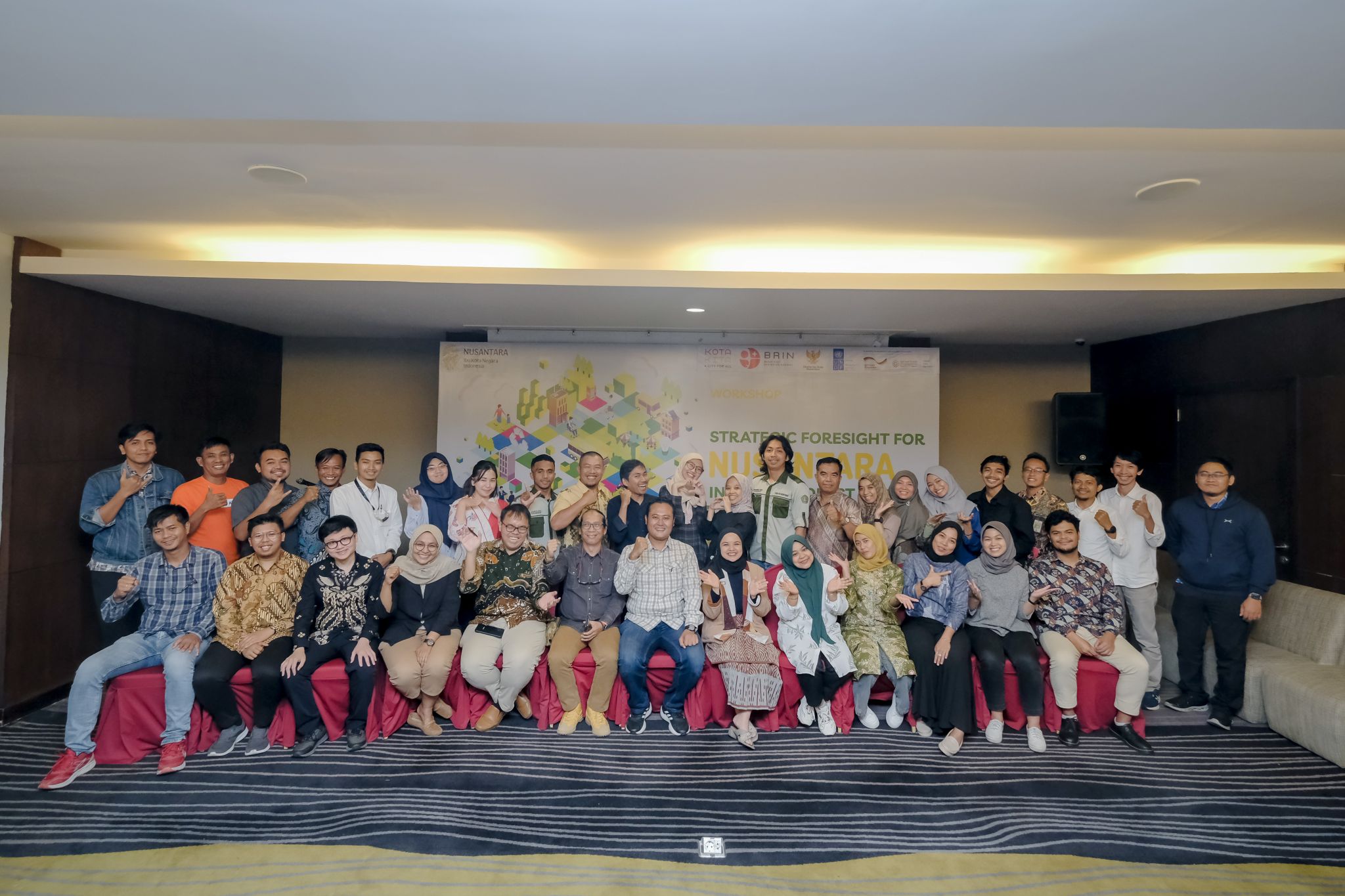
We partnered with UNDP Accelerator Labs to empower indigenous and local communities in East Kalimantan to actively shape the foundational design guidelines for Nusantara, Indonesia’s future capital. Context ClientUNDP LocationNusantara, Indonesia 🇮🇩 Year2023 In July 2023, as plans for Nusantara were still in their preliminary stage, planners recognized the critical need to ensure the new
Imagining a seafront the whole city can share.
Breadth, honestly labelled: engagements and partners without a full public write-up. We never dress these as clickable cases.
| Place | Year | Partner | Engagement model | Topic |
|---|---|---|---|---|
| Helsinki · FI | 2023 | Forum Virium Helsinki | Capacity Builder | Public-space training |
| Rotterdam · NL | 2024 | Humankind | Subscriber | Public space |
| Stockholm · SE | 2024 | Cloudberry × Vinnova | Innovation Partner | Accessible streets (PACES) |
| Turku · FI | 2025 | University of Turku | Innovation Partner | Urban biodiversity |
| Berlin · DE | 2023–25 | CityLAB Berlin | Capacity Builder | Kiezlabor |
| Athens · GR | 2024 | CIVINET | Capacity Builder | Mobility forum |
| Milan · IT | 2024 | University of Milan | Subscriber | Student co-design |
| Manila · PH | 2024 | GIZ | Capacity Builder | Feminist cities |
| Singapore · SG | 2023 | Urban Redevelopment Authority | Innovation Partner | Co-design methods |
| Batumi · GE | 2023 | UNDP | Innovation Partner | Climate co-design |