
In partnership with the Estonian Ministry of Climate, this project set out to humanize digital twin technology. By integrating generative AI into virtual city models, a functional prototype was developed that allows planners and citizens to collaborate in real time, turning highly technical data into an accessible, democratic canvas for urban development and climate policy.
Context
Client
Estonian Ministry of Climate
Location
Tallinn, Estonia 🇪🇪
Year
2024
In September 2024, the Estonian Ministry of Climate launched an innovation initiative to explore how virtual replicas of built environments, known as digital twins, could better serve public sector departments and local communities. While digital twins are highly effective at simulating infrastructure data and predicting environmental impacts, their technical complexity often locks out the very citizens they are meant to benefit.
To bridge this gap, organizers needed to break down the artificial barriers surrounding urban information. The goal was to leverage a generative AI framework that could simplify technical data, accelerate slow planning cycles, and rebuild public trust by involving residents at the absolute earliest stages of climate and spatial policy design.
Engagement method
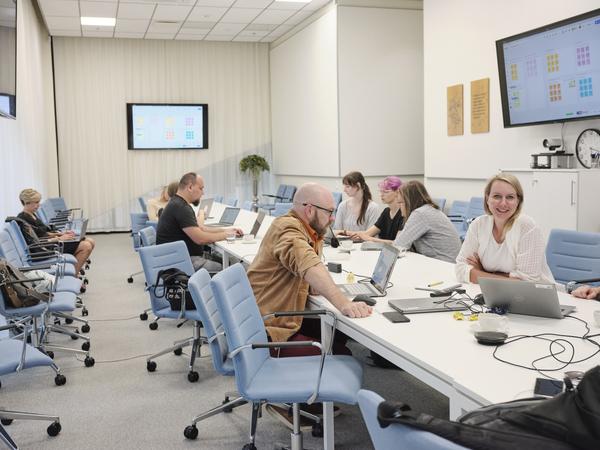
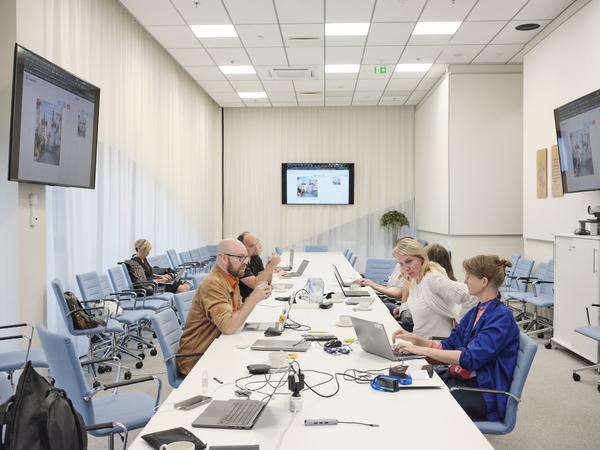
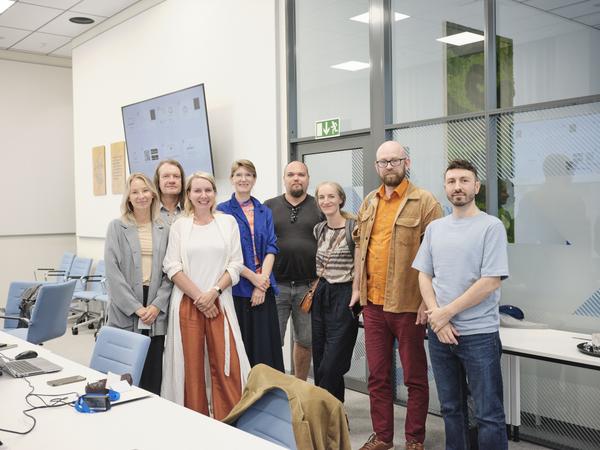
We structured a comprehensive, multi-phase innovation program that brought together a diverse group of stakeholders, including representatives from the Ministry of Climate, the City of Tallinn, the National Land Use Board, private developers, planners and citizens’ committees. The process unfolded across three strategic layers:
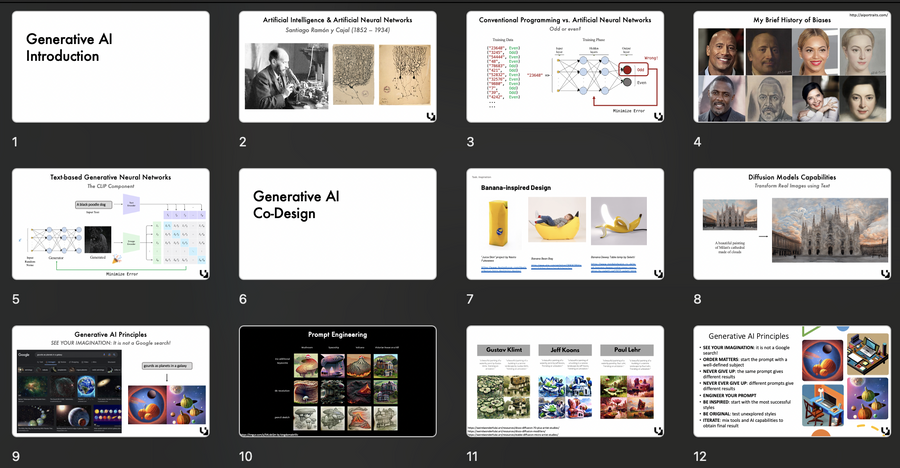
- The GenAI Masterclass: We initiated the session with a practical foundation in generative models and Large Language Models (LLMs). This technical deep dive equipped participants with the necessary knowledge to understand how AI can be directly applied to governance and citizen engagement.
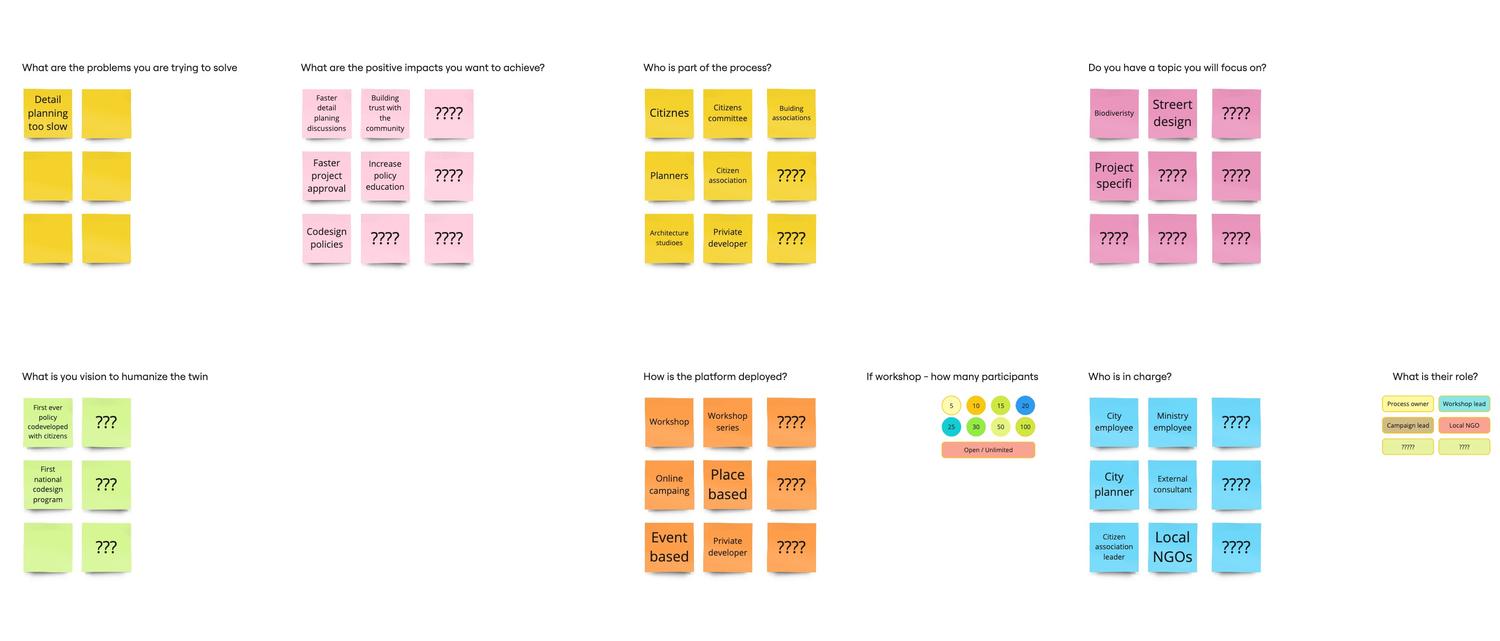
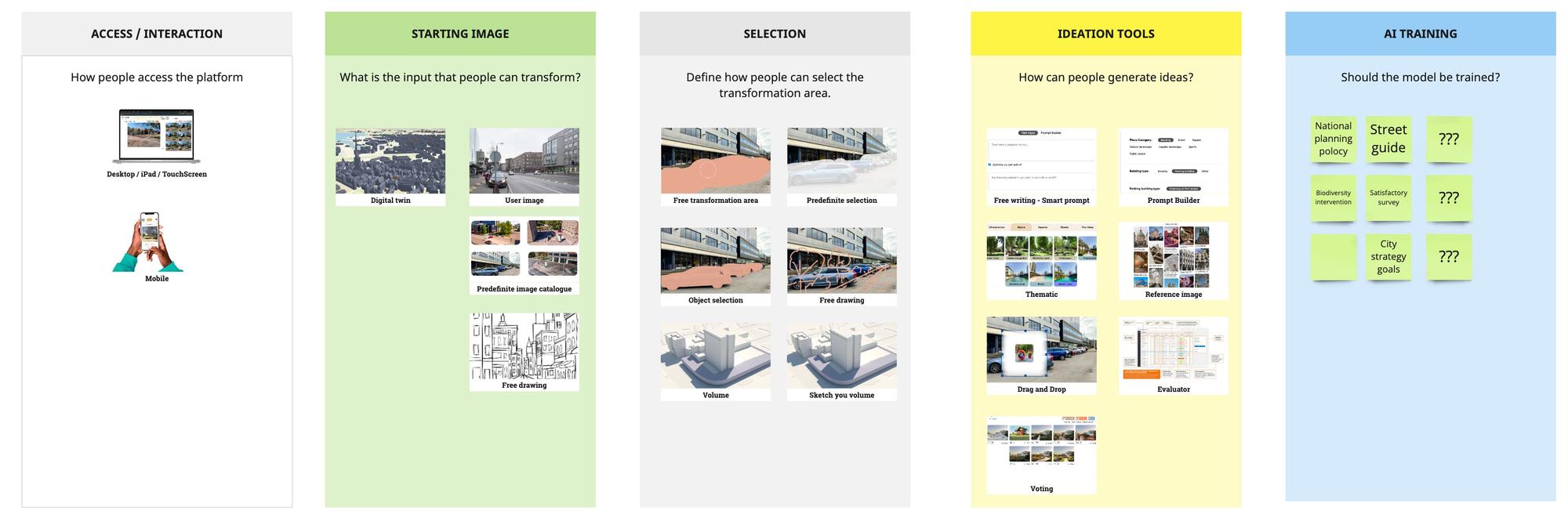
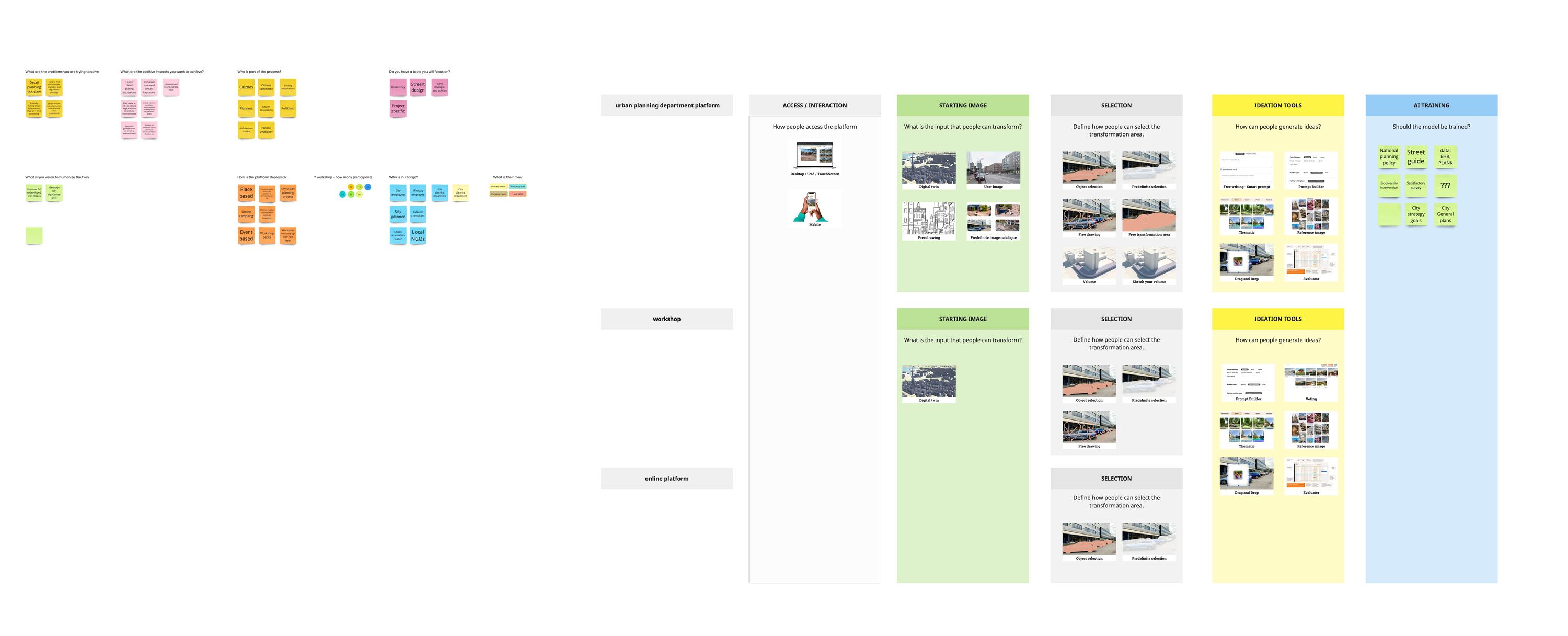
- Hands-On Co-Design: Working in small teams, participants used two specialized digital canvases. The first canvas guided them to isolate root systemic problems and define positive community outcomes. The second canvas allowed them to map out specific generative AI technologies directly onto those needs, creating a structured innovation process that prioritized human challenges before technical solutions.
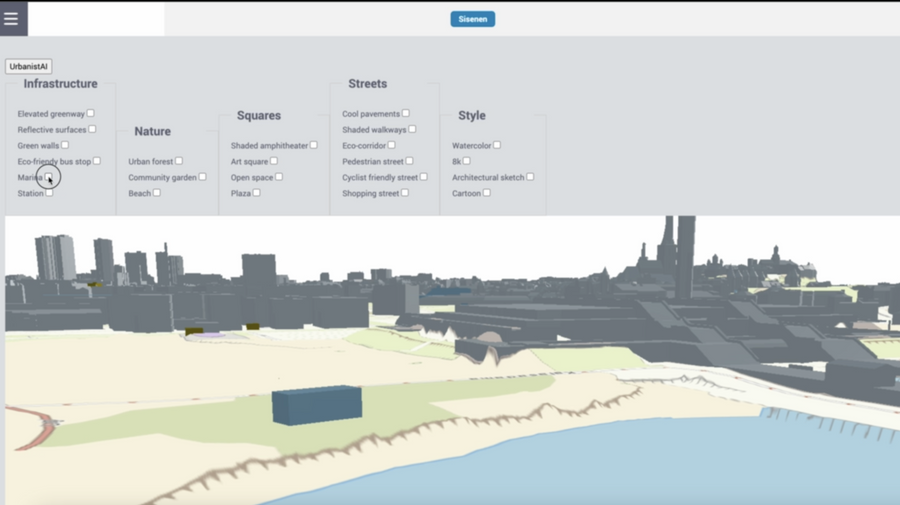
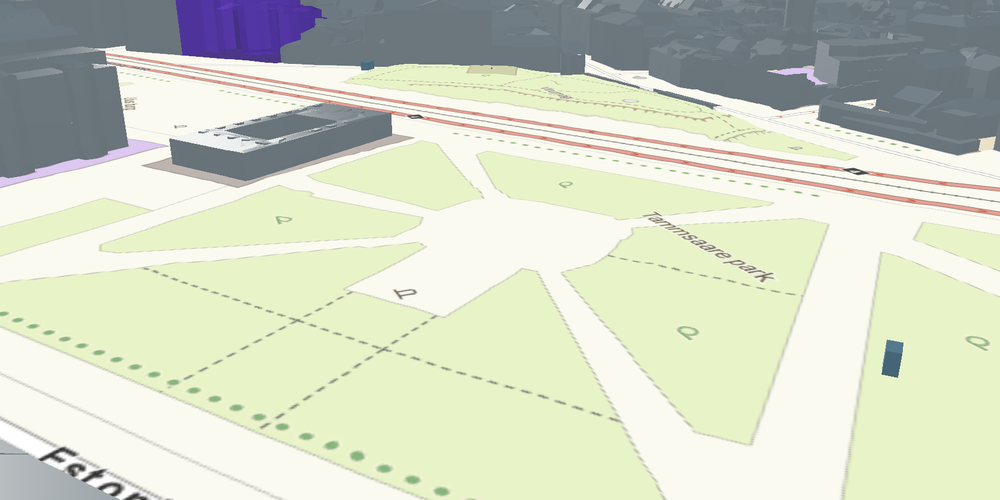
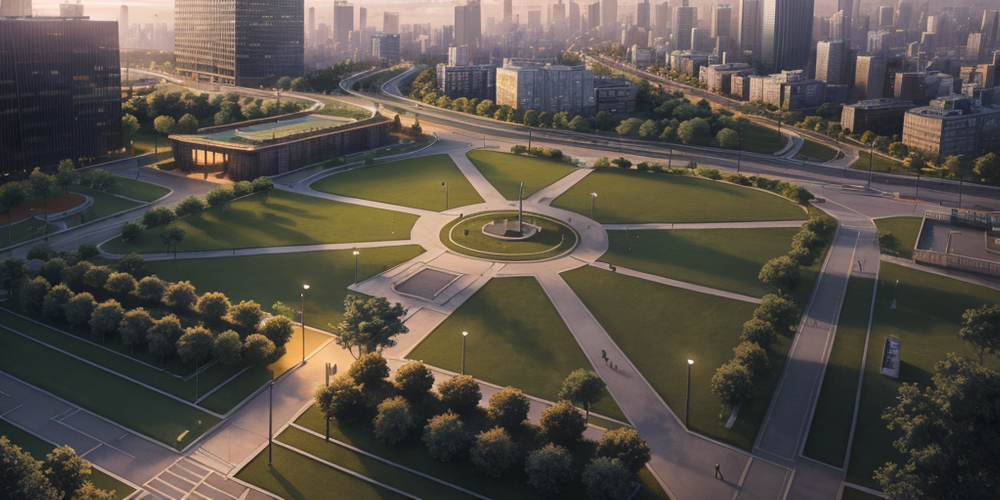
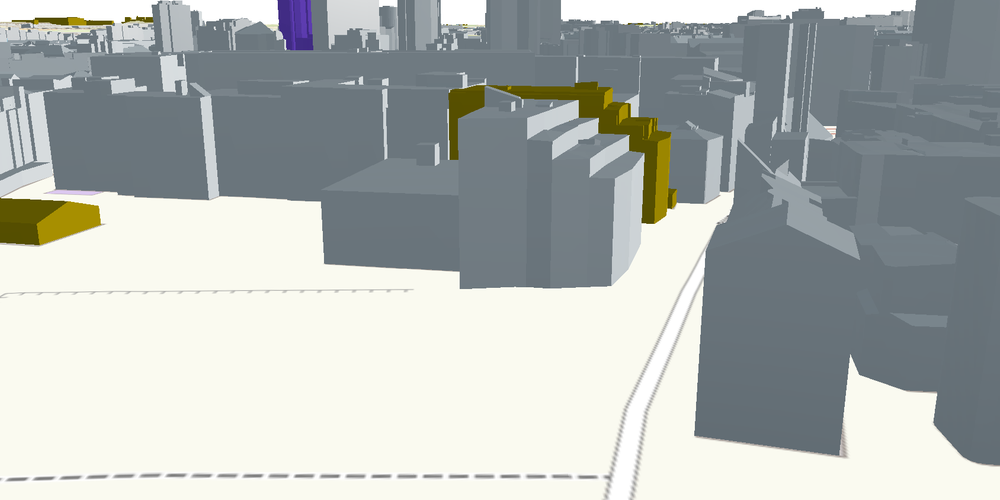
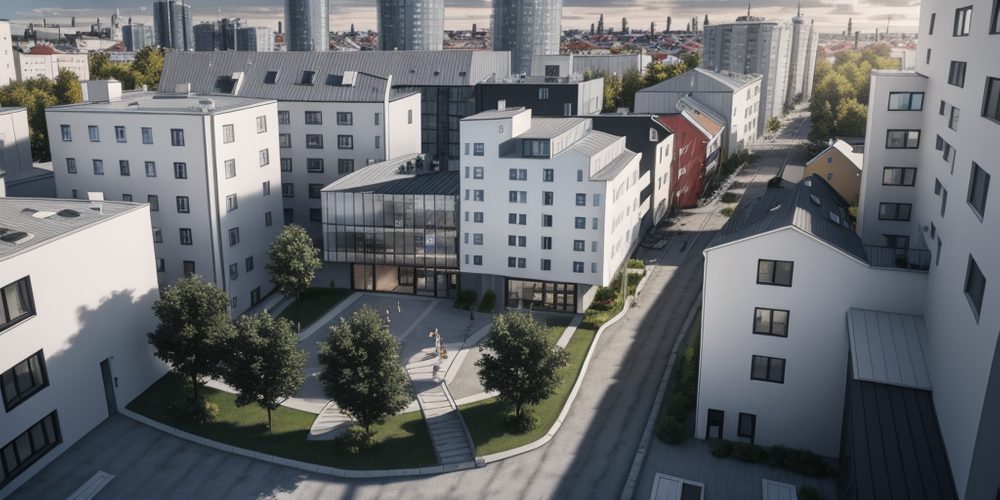
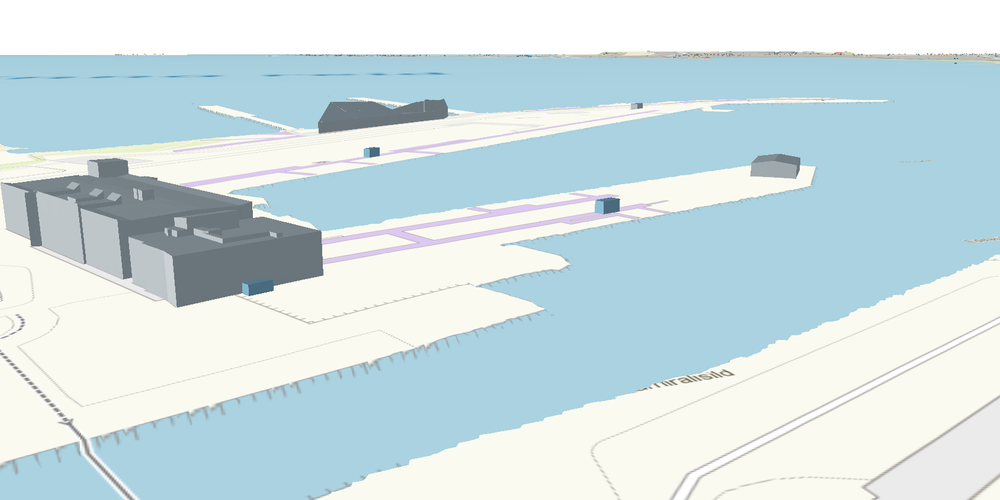
- Interactive Prototyping: Moving from theory to active software development, our engineering team established a live API bridge with the Estonian Digital Twin. Led by Eerik Kivistik, the tool was integrated’s real-time image-generation capabilities directly into the government’s rich urban datasets. This enabled workshop attendees to navigate the virtual city and execute instant, AI-driven spatial transformations such as modifying structures, adjusting street designs, and testing alternative environmental layouts on the spot.

Impact
The collaboration effectively proved that advanced civic technology can be transformed into an intuitive, participatory tool for transparent governance.
- A Working Model for Open Governance: The workshop successfully delivered a live, functional prototype, establishing a clear technical blueprint for how public digital twins can shift from passive observation tools into interactive co-creation platforms.
- Streamlined Planning Discussions: By replacing dense technical jargon with instant visual feedback loops, the platform demonstrated how cities can drastically accelerate detailed planning phases while keeping the public fully informed.
- Democratized Technical Data: The integration of the tool successfully demystified complex planning systems, empowering diverse stakeholder groups to design policy scenarios that address critical issues like urban biodiversity and sustainable infrastructure.
Delivered together with project partners.