Use case · 2025 · Finland
Urban Biodiversity Parks, Turku
Within the EU European Urban Initiative’s Urban Biodiversity Parks project, three co-design workshops in May–June 2025 brought 30 participants — residents of the Jyrkkälä and Halinen neighbourhoods and 15 Turku practitioners — to generate nature-based-solution visions from bespoke bilingual biodiversity element cards spanning green infrastructure, microhabitats, amenities and active mobility. The University of Turku published the results as a 36-page ISBN report: 100% of Jyrkkälä residents were satisfied the visions reflected their aspirations, 89% gained new perspectives, and 100% of practitioners saw citizen outputs as valuable.

Map data © OpenStreetMap contributors
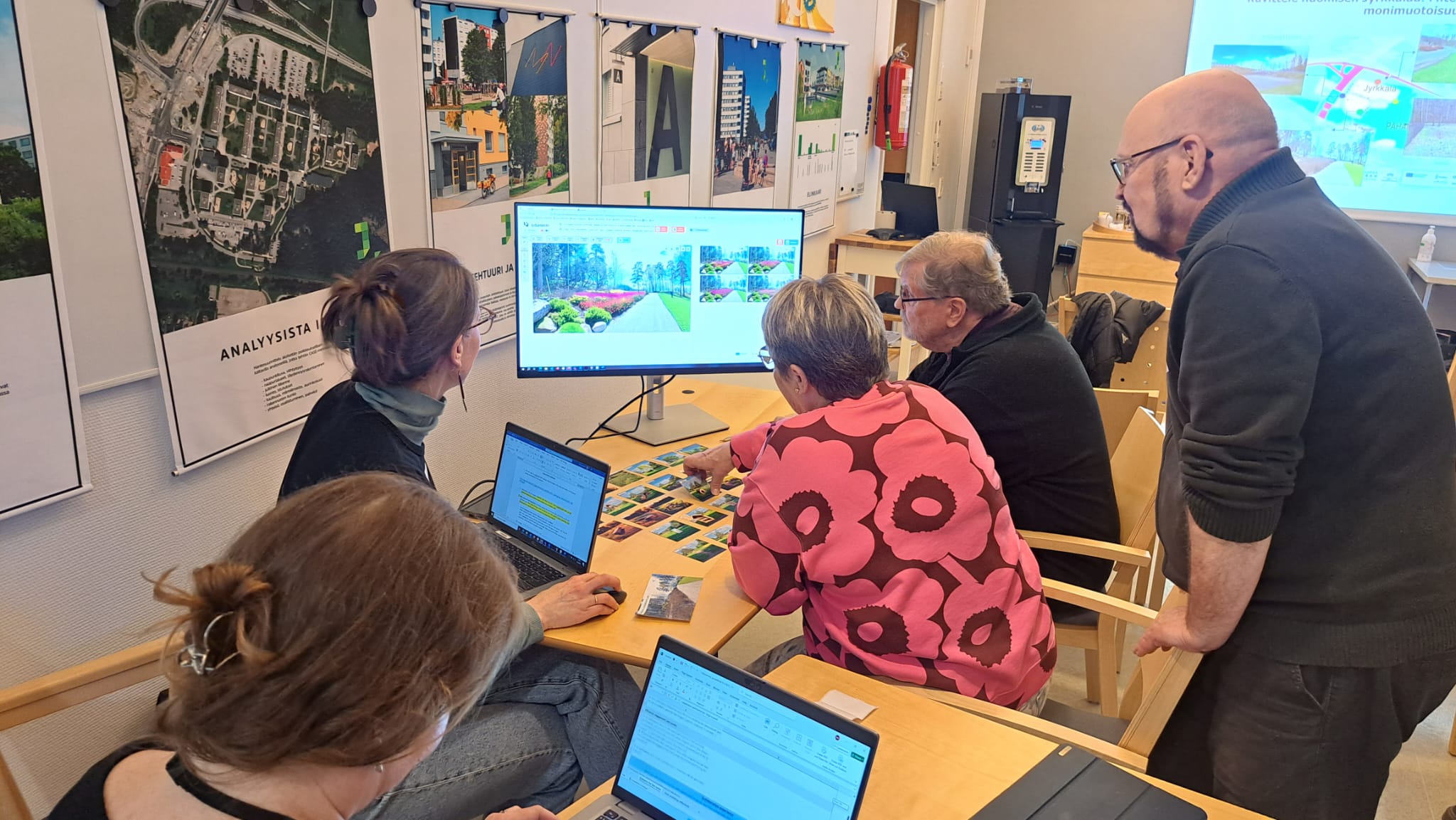
Who took part
10 Jyrkkälä residents, 5 Halinen residents and 15 city practitioners, with residents freely picking the sites — building entries, lanes, a bridge-side clearing, Erik Julen park.
What the tool did
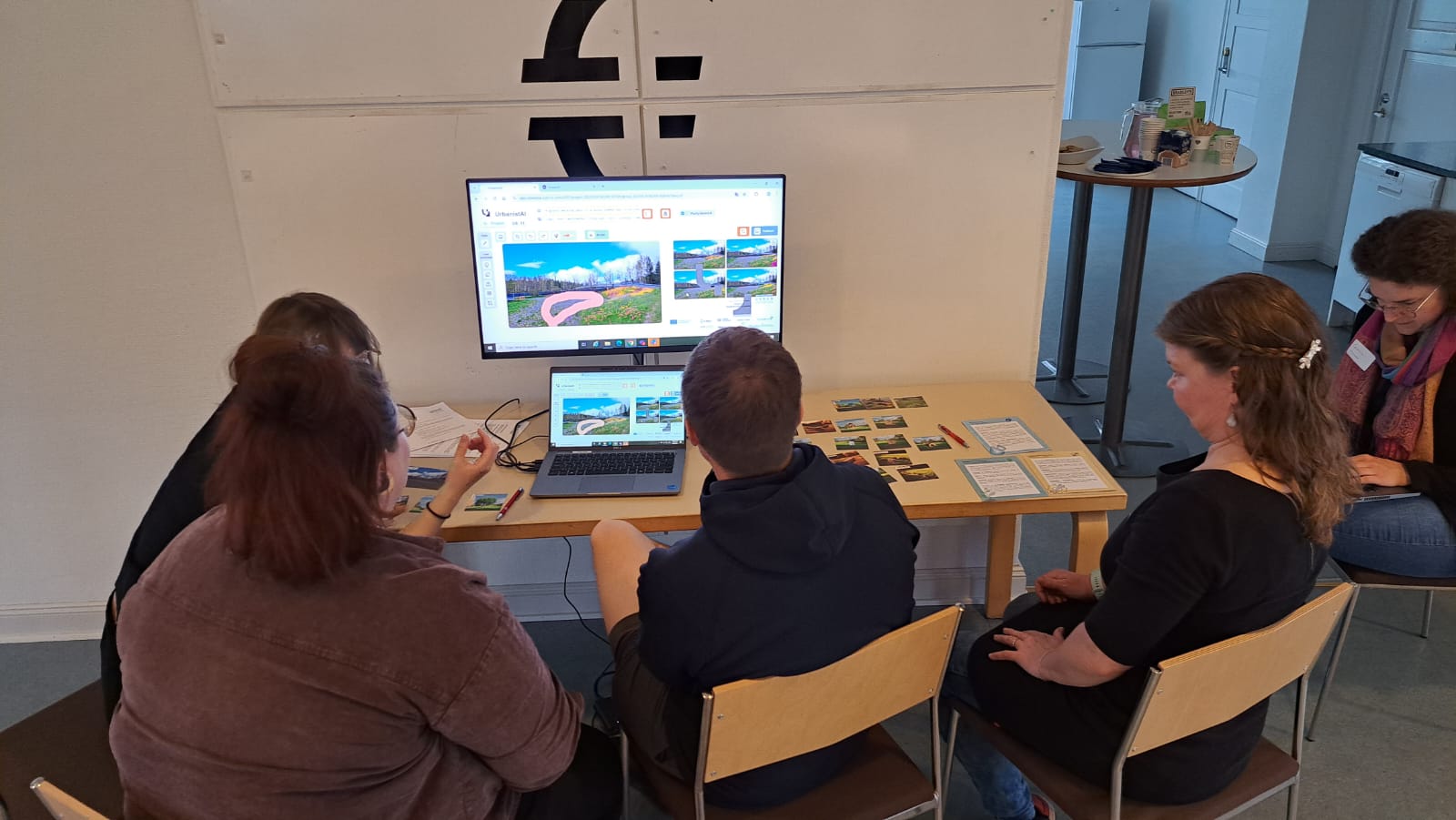
Element-card co-design with starred favourites revealing preferences per site; the report’s own critical finding: participants tended to keep the elements the AI drew well, and it failed to render deadwood. CoPlanAI calls this the render bias.
What changed
The strongest third-party academic validation in the portfolio: an independent university report in UTU’s publication series, and an EU programme story on building lasting biodiversity in Turku’s suburbs.
We delivered this project under the brand name of UrbanistAI, in our previous collaboration.
Pictures
Reports, media and links
On the record.
What others wrote about this work, and where to read more. Each entry opens the original.