In partnership with the urban design consultancy Seventh Hill, community-driven ideas were brought to life for the Connect East Cleveland revitalization initiative. The instant visual feedback helped residents directly shape the future of their neighborhood’s streetscapes and public spaces, turning their aspirations into actionable design concepts.
Context
Client
Seventh Hill
Location
Cleveland, USA 🇺🇸
Year
2023
The Connect East Cleveland initiative was launched by the City of East Cleveland and the Cuyahoga Land Bank to empower residents to actively design the public spaces in their evolving neighborhoods. While the city is undergoing a broader redevelopment (known as the Circle East District), Connect East Cleveland was established to focus entirely on the human element: collaborative placemaking for the public realm.
The primary goal was to let the community reimagine their streetscapes, pocket parks, and public art, setting a direction for future investments that architecturally and culturally define the neighborhood. To achieve this, planners needed an accessible way to capture grassroots imagination. They required a tool that could bridge the gap between technical urban design and everyday aspirations, allowing the community’s visual ideas to directly guide these new developments.
Engagement method
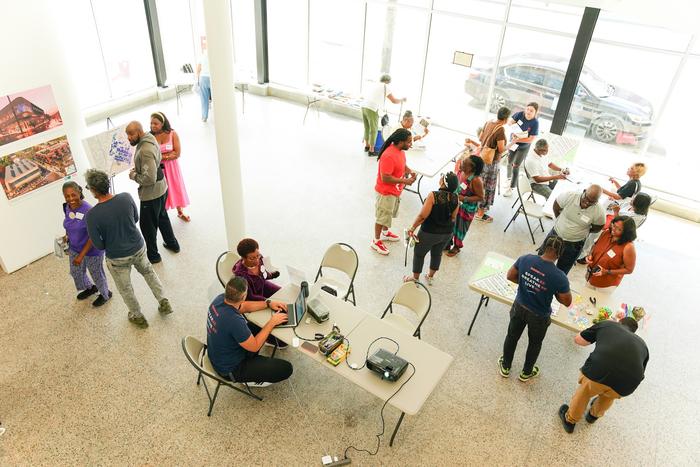
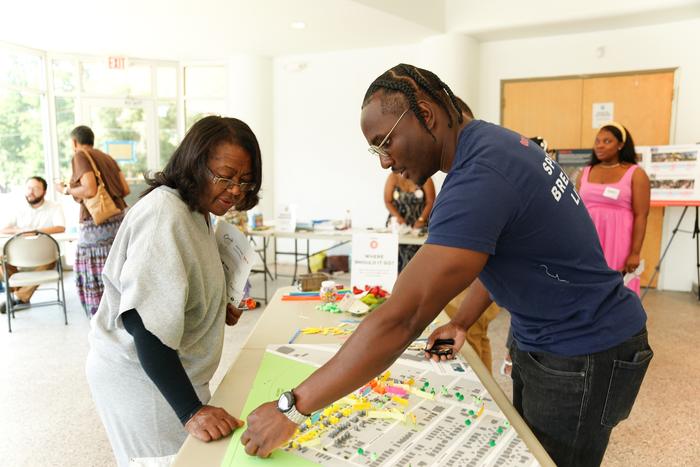
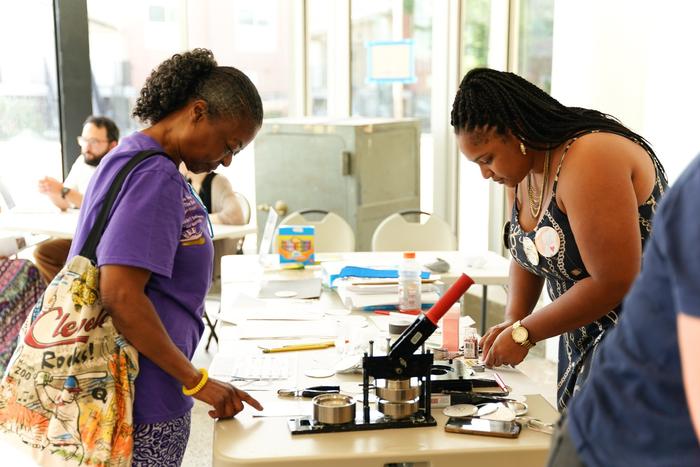
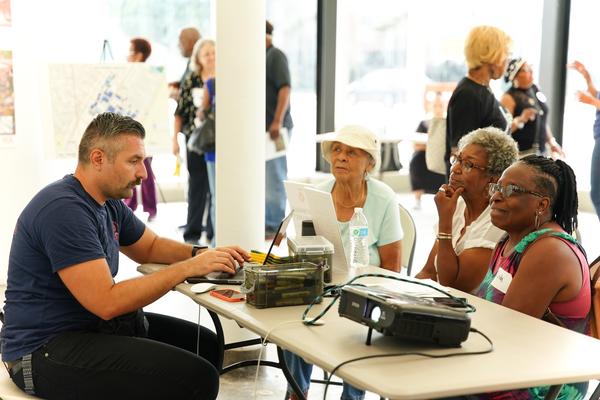
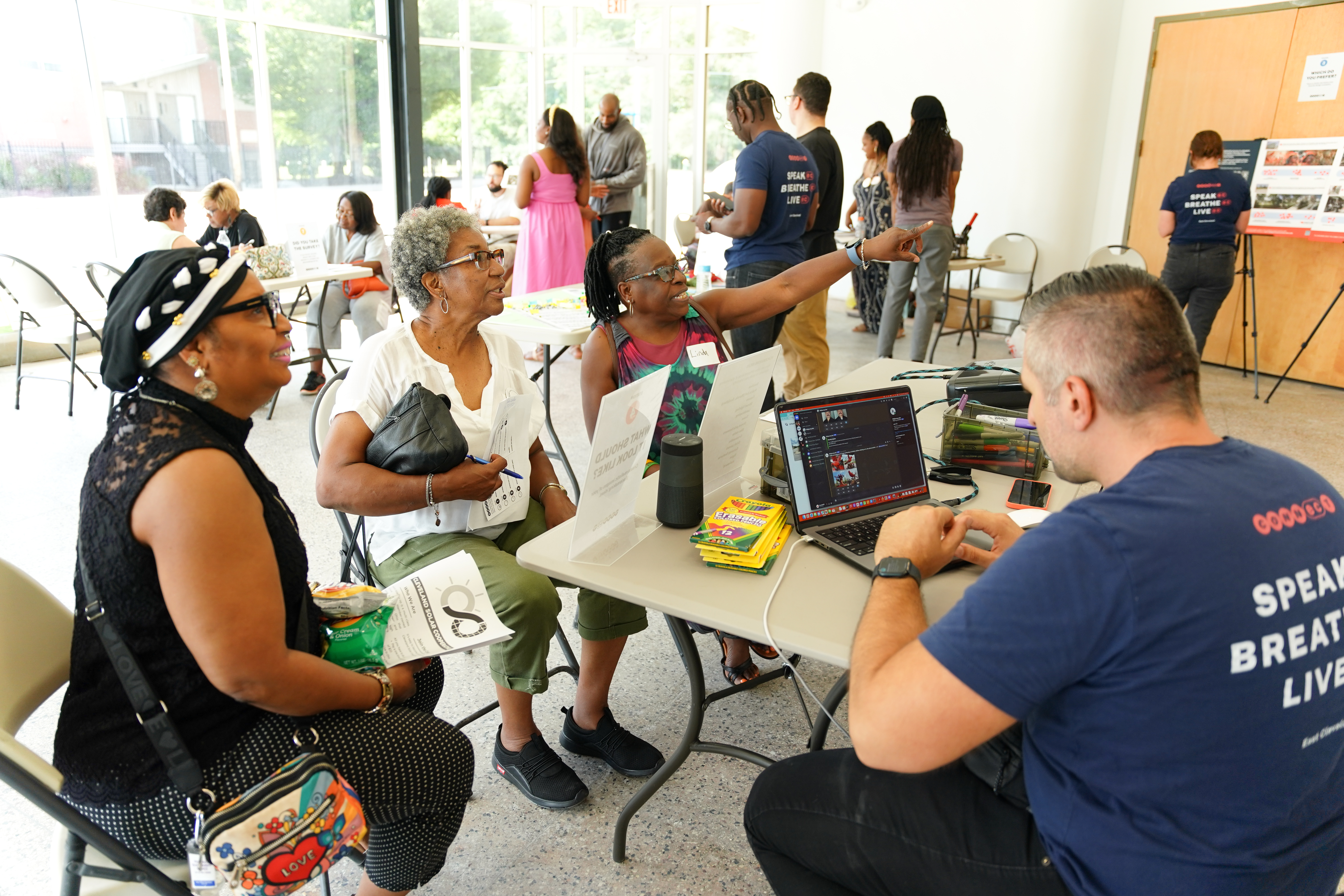
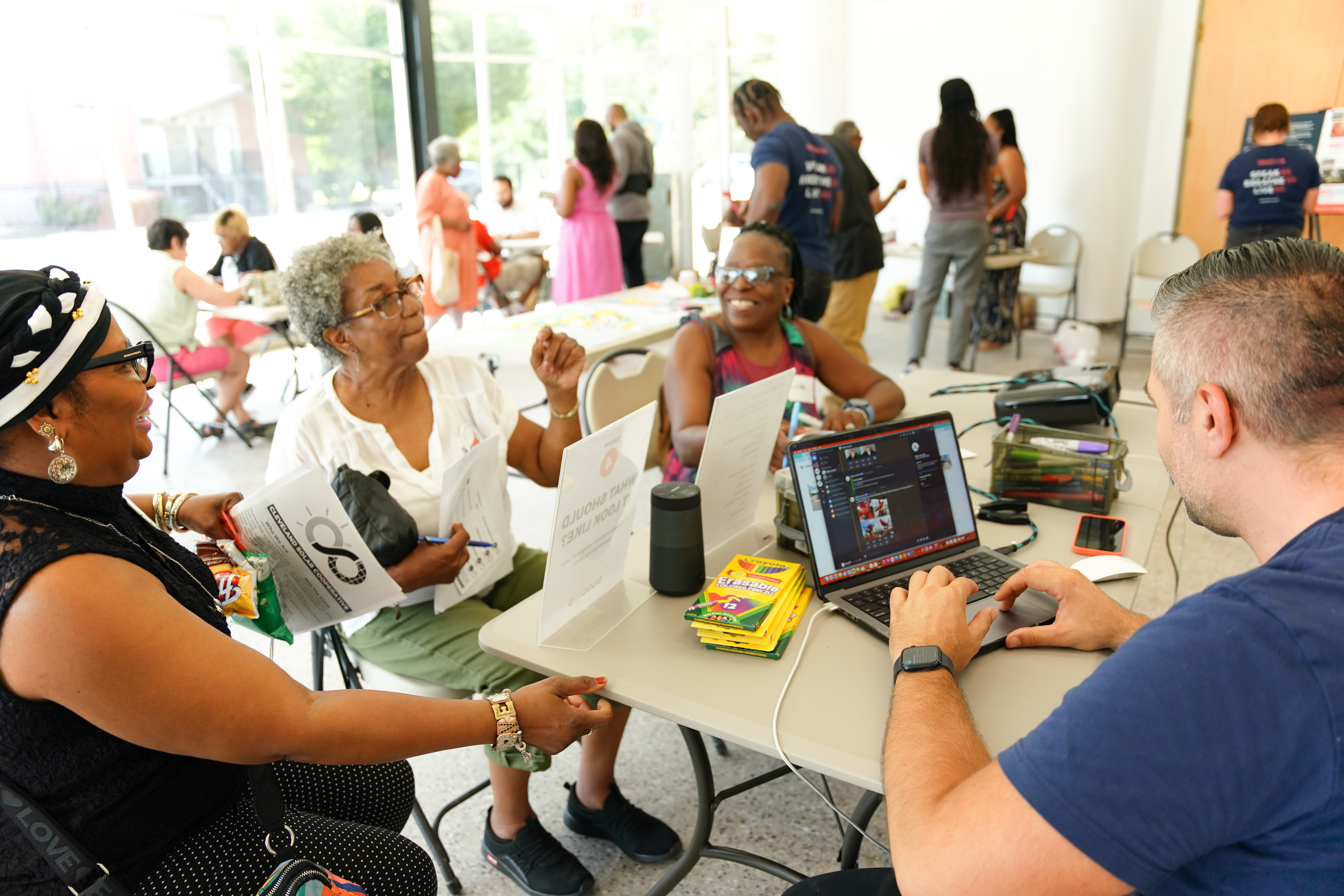
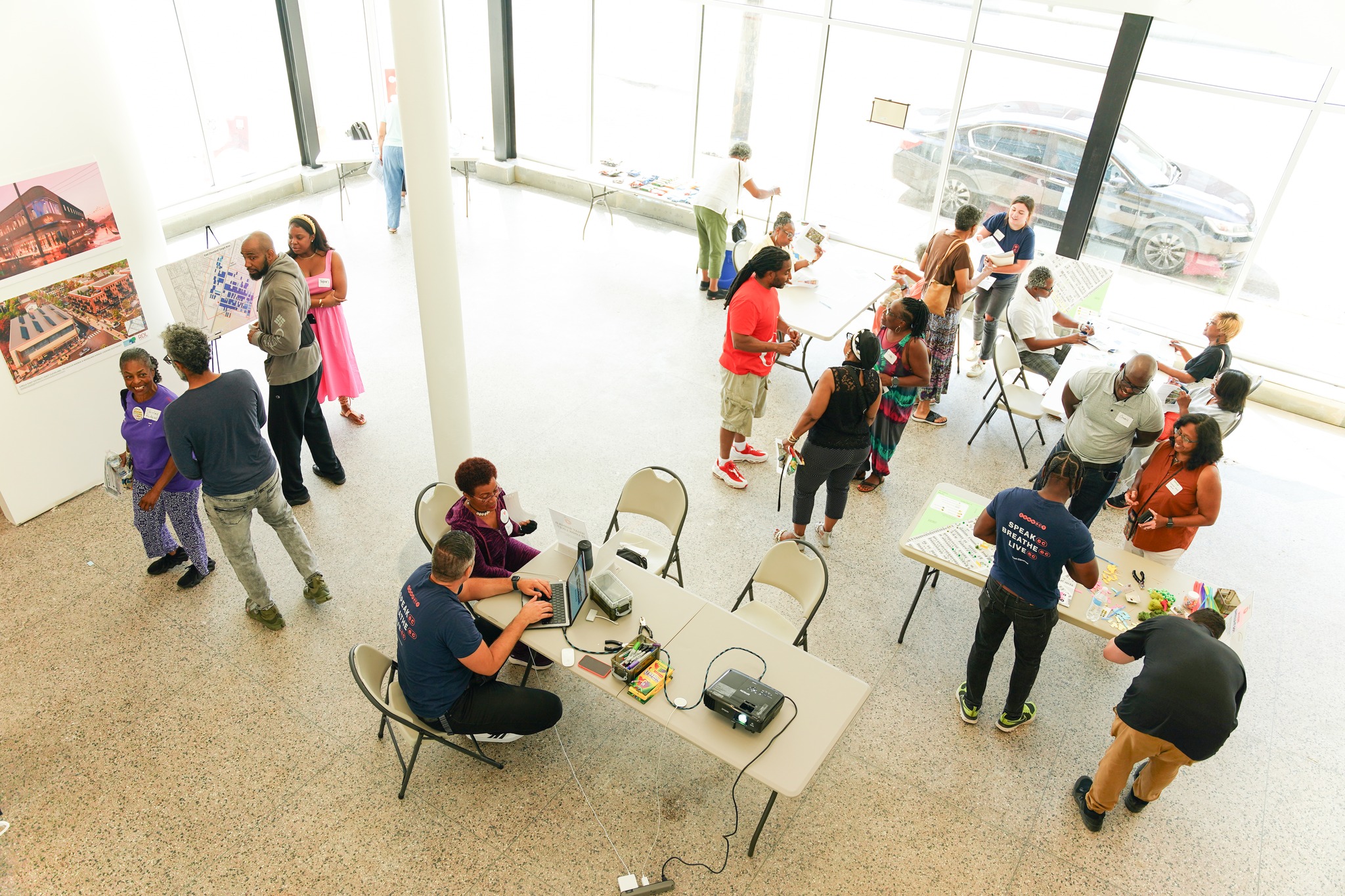
To facilitate this, Seventh Hill designed a participatory Open House that drew over 50 local community members. The event was built around seven engagement stations. After identifying investment opportunities on a 3D-printed neighborhood model and sharing their aspirations at a storytelling booth, attendees visited the AI station.
Here, they were able to translate their suggestions into tangible realities. The platform allowed participants to input their ideas and instantly generate realistic visual renderings of proposed public art murals, revitalized streetscapes, and new pocket parks. This acted as a real-time visual translator for the community’s imagination.
Impact
The integration of the tool significantly elevated the Open House, demonstrating how generative technology can strengthen social democracy and mutual respect in city planning.
- Actionable Visuals: The ability to convert spoken suggestions into instant visual representations grounded the planning process in practical, sustainable design.
- Inclusive Discourse: The intuitive nature of the tool engaged a highly diverse group of individuals, leveling the playing field and enriching the urban planning conversation with communal creativity.
- Cohesive Vision: By merging local insights with AI-assisted design solutions, Seventh Hill distilled a wide array of voices into a unified vision. This successfully established a clear and community-backed direction for future investments.
Delivered together with project partners.